Hormonal acne is one of the most frustrating and persistent forms of acne because it often fails to respond to standard topical treatments and returns predictably despite consistent skincare. Unlike adolescent acne — which is largely driven by the surge of androgens at puberty — hormonal acne in adults follows distinct patterns tied to the menstrual cycle, stress hormones, thyroid function, and metabolic health. Understanding the hormonal mechanisms behind your breakouts is the first step toward finding treatments that actually work.
What Causes Hormonal Acne?
The primary hormonal drivers of acne are androgens — male sex hormones including testosterone, DHEA, and their derivatives — present in both male and female bodies. Androgens bind to receptors in sebaceous glands and stimulate them to produce more sebum (skin oil). Excess sebum creates an anaerobic (oxygen-poor) environment in pores that encourages the overgrowth of Cutibacterium acnes (formerly P. acnes) bacteria. The immune system's response to these bacteria triggers the inflammatory cascade that produces the red, painful papules and pustules we recognize as acne.
While androgens are always present, several factors cause their levels or skin sensitivity to them to fluctuate: the menstrual cycle (progesterone surges in the luteal phase stimulate sebum production), chronic stress (cortisol converts to androgens and directly stimulates sebaceous glands), polycystic ovary syndrome (PCOS — characterized by elevated androgens and insulin resistance), stopping or changing hormonal contraceptives, thyroid disorders, and insulin resistance or high-glycemic diets (which elevate IGF-1, a growth factor that stimulates androgen activity in sebaceous glands).
Identifying Hormonal Acne
Hormonal acne has several distinguishing characteristics that help differentiate it from other acne types. It typically appears in the lower third of the face — the jawline, chin, and neck — where androgen receptor density is highest. It tends to be cyclical, worsening in the week before menstruation when progesterone levels peak. The breakouts are often deep, cystic, and painful rather than surface-level blackheads or whiteheads. They heal slowly and frequently leave post-inflammatory hyperpigmentation (PIH). And critically, they recur in the same locations month after month despite consistent topical skincare.
Skincare Approaches for Hormonal Acne
Salicylic Acid
Salicylic acid (BHA) remains one of the most effective topical treatments for hormonal acne. Its oil solubility allows it to penetrate pore linings, dissolve comedone-forming sebum, and exfoliate dead cells from within the pore. Use a 1–2% salicylic acid cleanser or toner daily, or a leave-on 2% salicylic acid product on acne-prone areas. It prevents pore blockages before they form deep cysts.
Benzoyl Peroxide
Benzoyl peroxide is an antibacterial agent that kills C. acnes bacteria by releasing oxygen into the anaerobic pore environment. Available in concentrations from 2.5% to 10%, it is most effective for inflammatory papules and pustules. Lower concentrations (2.5%) are as effective as higher ones with significantly less irritation and dryness. Use as a spot treatment or thin-layer treatment on affected areas. Be aware that it bleaches fabric.
Retinoids
Retinoids (retinol OTC, tretinoin prescription) are uniquely effective for hormonal acne because they normalize the shedding of pore-lining cells — the primary mechanism of comedone formation — while reducing inflammation and stimulating cellular turnover. Retinoids are a long-term treatment that takes 12–16 weeks to show full benefits but produces durable results that address the root cause of pore blockage rather than just the bacteria or inflammation.
Niacinamide
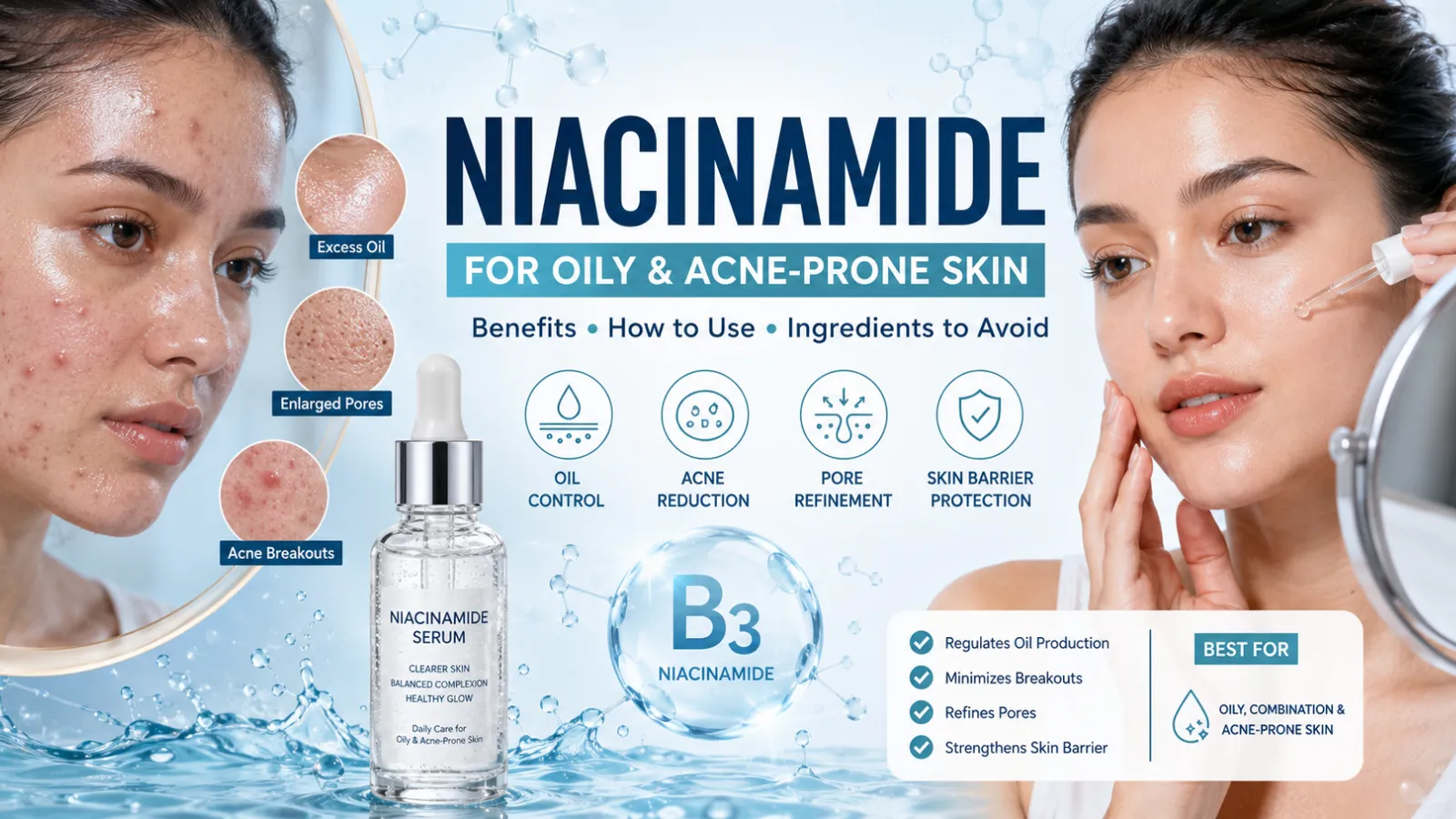
Niacinamide regulates sebum production, reduces inflammation, and has been shown in clinical studies to be as effective as topical clindamycin (prescription antibiotic) for inflammatory acne. At 4–5% concentration applied twice daily, it provides meaningful acne control alongside its broader skin benefits.
Azelaic Acid
Azelaic acid is a dicarboxylic acid with antibacterial, anti-inflammatory, and pigmentation-reducing properties. Available OTC at 10% and by prescription at 15–20%, it is particularly effective for inflammatory acne and the PIH that follows. It is also one of the few acne treatments considered safe during pregnancy.
Lifestyle Factors That Influence Hormonal Acne
Diet and the Glycemic Index
High-glycemic foods — white bread, white rice, sugary drinks, candy, processed snacks — cause rapid blood sugar spikes followed by insulin surges. Elevated insulin stimulates the liver to produce IGF-1, which in turn increases androgen activity in sebaceous glands and skin cell proliferation that promotes comedone formation. A landmark clinical study found that a low-glycemic diet significantly reduced acne severity compared to a high-glycemic diet over 12 weeks. Focus on low-glycemic whole grains, vegetables, legumes, and protein-rich foods.
Dairy Consumption
Multiple epidemiological studies have found positive associations between milk consumption — particularly skim milk — and acne prevalence. The proposed mechanisms involve hormonal growth factors (IGF-1) naturally present in milk and the ability of dairy to elevate blood IGF-1 levels. While not all individuals with hormonal acne respond to dairy elimination, it is worth trialling a 4–6 week dairy-free period to assess personal response.
Stress Management
As detailed earlier, chronic stress elevates cortisol, which converts to androgens and directly stimulates sebaceous glands. Stress management is not an optional add-on for hormonal acne — it is a core treatment modality. Regular meditation, exercise, adequate sleep, and anxiety management support all reduce the stress hormone axis that drives hormonal acne.
Sleep
Poor sleep elevates cortisol and reduces the overnight tissue repair that keeps pore-lining cells functioning normally. Prioritizing 7–9 hours of quality sleep per night reduces stress hormones and supports the overnight skin renewal processes that are disrupted in acne-prone skin.
Medical and Hormonal Treatments
For moderate to severe hormonal acne that does not respond adequately to topical treatment and lifestyle modification, medical intervention may be appropriate. Oral contraceptives containing both estrogen and progestin (specifically pills with anti-androgenic progestins like drospirenone or norgestimate) are FDA-approved for acne treatment in females. They reduce androgen levels systemically, significantly decreasing sebum production and acne severity. Spironolactone is an anti-androgen medication (originally a blood pressure drug) used off-label for hormonal acne in females. It blocks androgen receptors in sebaceous glands, dramatically reducing sebum production. Oral isotretinoin (Accutane) is reserved for severe, treatment-resistant acne and requires close medical supervision but can produce long-lasting remission even in hormonal acne cases.
Building a Targeted Hormonal Acne Routine
Morning: Gentle cleanser + niacinamide serum (4–5%) + non-comedogenic lightweight moisturizer + broad-spectrum SPF 30–50.
Evening: Salicylic acid cleanser + targeted spot treatment (benzoyl peroxide 2.5% on active spots) + retinoid (2–3x per week, rotating with other evenings) + niacinamide serum + lightweight moisturizer.
Weekly: 2% salicylic acid mask or AHA toner to prevent comedone formation and accelerate cell turnover.
Conclusion
Hormonal acne is a complex, multifactorial condition that requires a similarly multi-pronged approach to treat effectively. Combining targeted topical treatments, dietary modifications, stress management, quality sleep, and — when appropriate — medical hormone management creates a comprehensive strategy that addresses the underlying hormonal drivers rather than just suppressing surface symptoms. With patience and consistency, hormonal acne is highly treatable, and clear skin is absolutely achievable.