How can I keep dry skin hydrated all day?
Apply a humectant serum (hyaluronic acid or glycerin) onto damp skin, then seal it with a ceramide-rich moisturizer within 60 seconds. Damp application traps up to 3x more water than dry skin.
Clear, science-based answers to your most common skincare questions — curated by our skincare team.
The single best skincare tip is to wear broad-spectrum SPF 30+ sunscreen every day — even indoors and in winter. Sun exposure causes up to 90% of visible aging, dark spots, and dullness. Pair daily sun protection with a simple, consistent routine: cleanse, treat, moisturize, and protect.
☀️ Daily SPF = #1 proven skin tipEach tip answers a real question people ask about their skin.
Apply a humectant serum (hyaluronic acid or glycerin) onto damp skin, then seal it with a ceramide-rich moisturizer within 60 seconds. Damp application traps up to 3x more water than dry skin.
Look for hyaluronic acid, glycerin, ceramides, squalane, and shea butter. Avoid alcohol-heavy toners and foaming sulfates that strip the skin barrier.
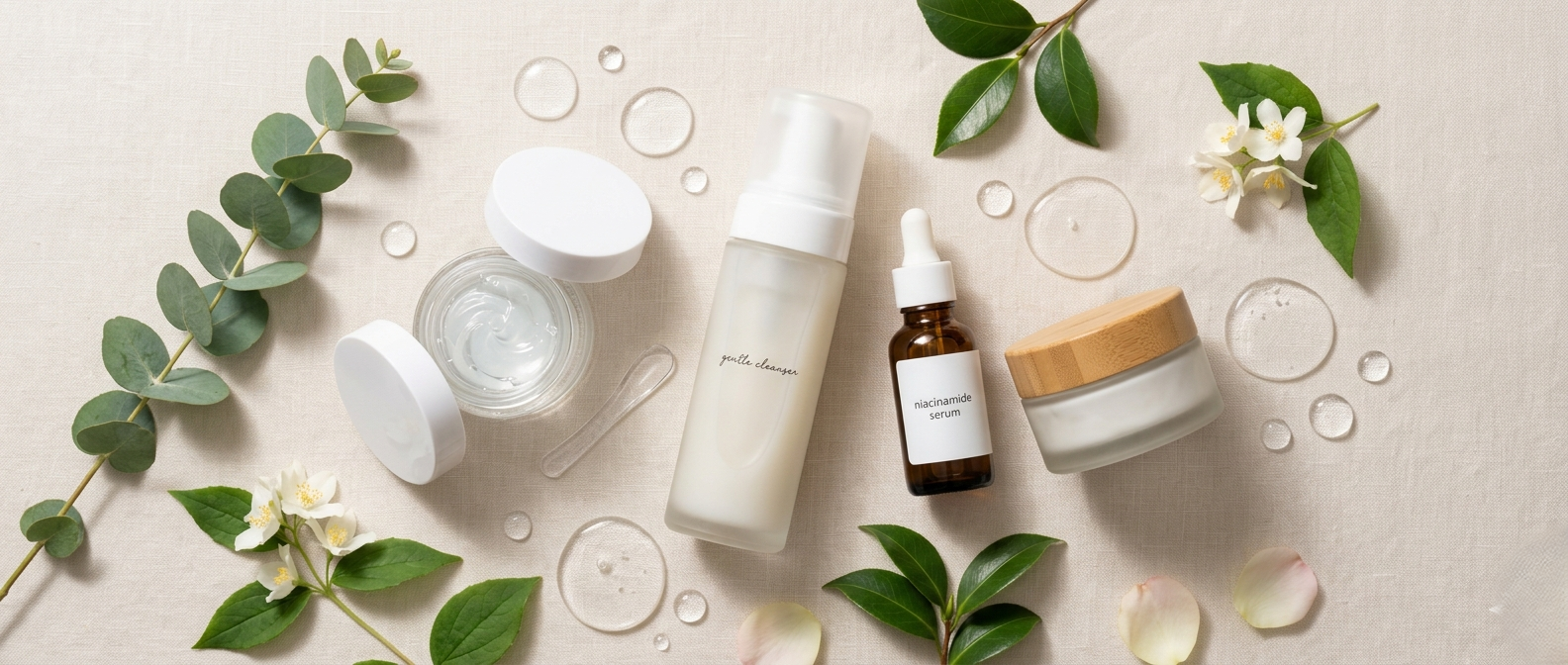
Cleanse twice daily with a gentle gel cleanser, use a lightweight gel moisturizer, and add niacinamide (5%) to regulate sebum. Skipping moisturizer actually triggers more oil.
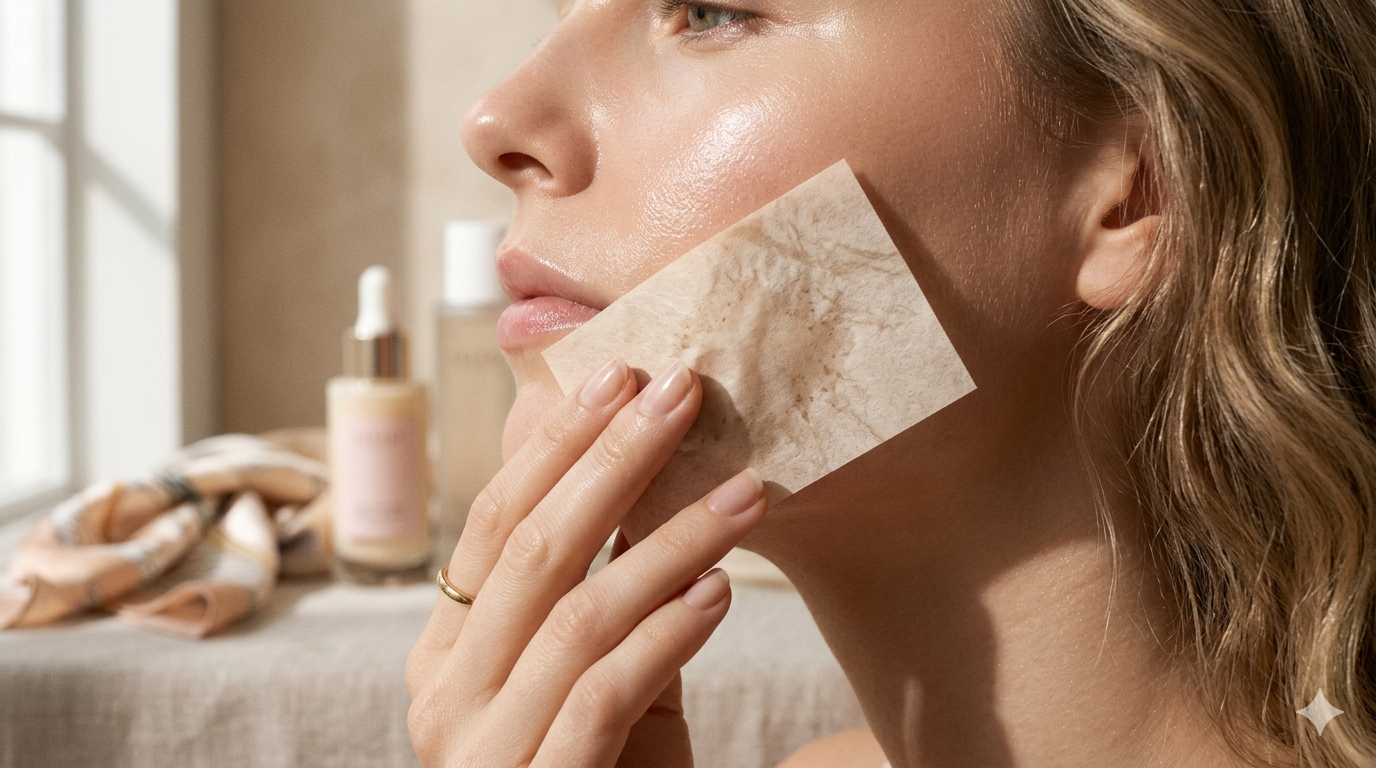
Niacinamide, salicylic acid (BHA), zinc, and clay masks reduce oil and unclog pores. Use BHA 2-3 times a week and finish with an oil-free SPF every morning.
Multi-moisturize: use a lightweight gel on the oily T-zone and a richer cream on dry cheeks. A balancing toner with niacinamide and gentle BHA keeps both zones in check.
Yes — apply clay only to the oily T-zone and a hydrating mask on dry cheeks (called multi-masking) once or twice a week. This clears congestion without dehydrating drier areas.
Niacinamide regulates oil, hyaluronic acid hydrates dry zones, and gentle BHA keeps the T-zone clear. Choose water-based, non-comedogenic formulas so nothing feels heavy.
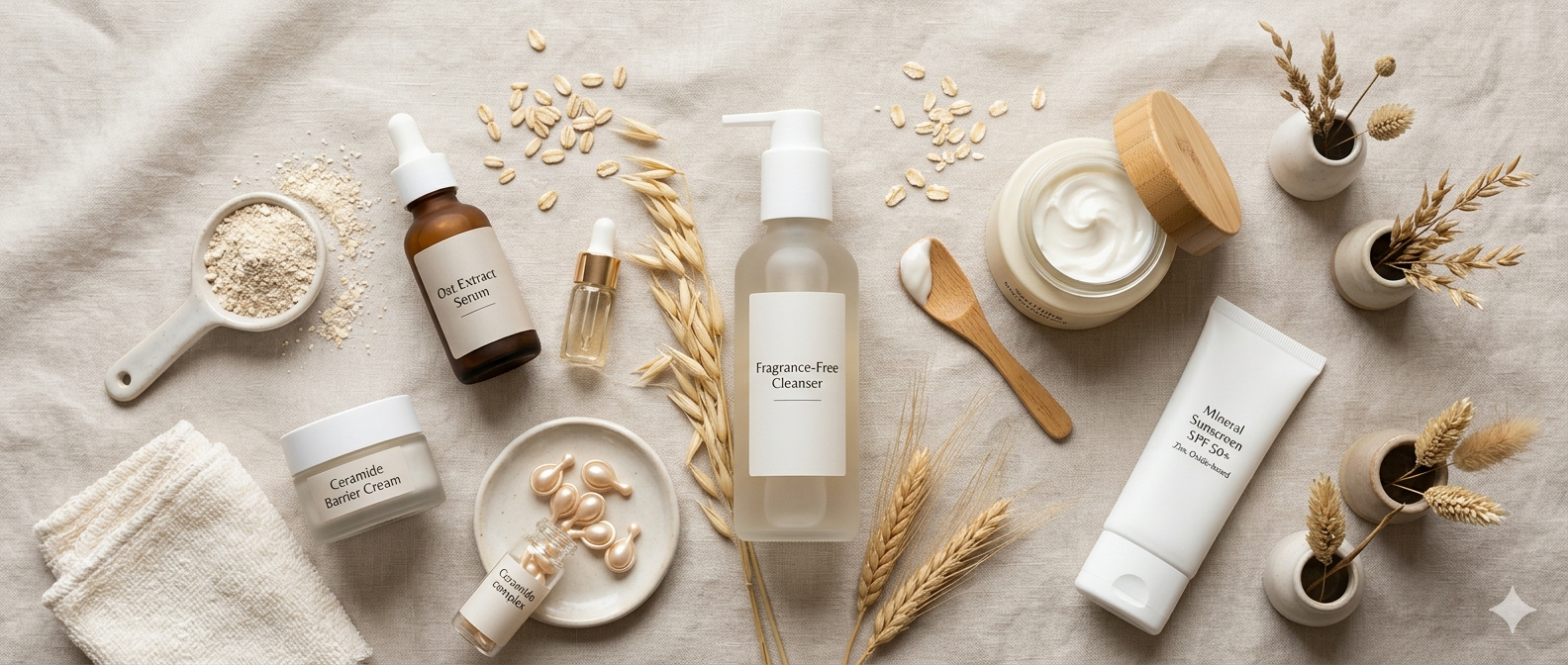
Keep it minimal: a fragrance-free cleanser, a centella or ceramide moisturizer, and mineral SPF. Patch-test every new product on your inner arm for 48 hours before applying to your face.
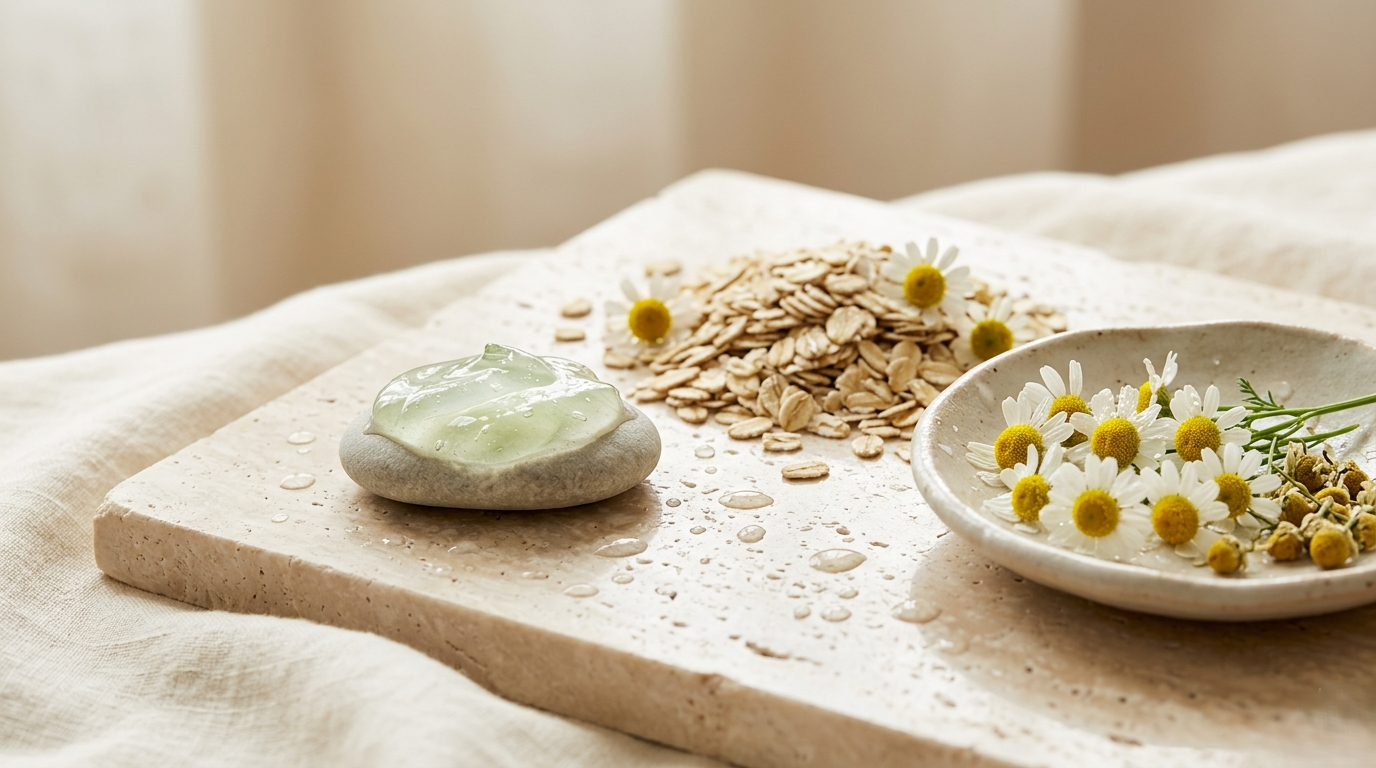
Centella asiatica (cica), panthenol, oat extract, allantoin, and ceramides soothe and rebuild the barrier. Avoid fragrance, essential oils, and high-strength acids until skin is calm.
Keep it simple and consistent: gentle cleanser, antioxidant serum, moisturizer, and daily SPF. A steady routine preserves your balanced skin far better than constantly switching products.
Morning: cleanse, vitamin C, moisturizer, SPF. Night: cleanse, optional treatment, moisturizer. Add a weekly gentle exfoliant to keep skin smooth and radiant.
Protect daily with SPF, stay hydrated, sleep 7-9 hours, and eat antioxidant-rich foods. Introduce a low-strength retinol in your late twenties to maintain collagen.
Use salicylic acid to unclog pores and benzoyl peroxide or adapalene on active spots. Never pop pimples, change pillowcases twice a week, and keep the rest of your routine non-comedogenic.
For some people, high-glycemic foods and excess dairy can worsen breakouts. A diet rich in omega-3s, zinc, and antioxidants supports clearer skin, but topical treatment still does the heavy lifting.
Daily broad-spectrum SPF 30+ prevents up to 90% of visible aging. Add a retinoid at night and vitamin C in the morning to boost collagen and fade dark spots over time.
Begin with 0.25% retinol twice a week at night, applied to dry skin, and always moisturize after. Increase frequency slowly over 4-6 weeks and never skip morning sunscreen.
Use about two finger-lengths (¼ teaspoon) for the face and reapply every 2 hours when outdoors. Apply SPF 30+ as the final morning step, even indoors near windows or on cloudy days.
Switch to a cream cleanser and a richer moisturizer, add a hydrating serum, and use a humidifier indoors. Keep exfoliation light to protect the compromised barrier in cold, dry air.
Switch to lightweight gel textures, double down on SPF and reapplication, and add a BHA to manage sweat-clogged pores. Blot oil instead of re-washing, which strips the skin.
Apply products from thinnest to thickest texture for best absorption.
Wash with a gentle cleanser suited to your skin type to remove oil, dirt, and sunscreen.
Apply targeted serums such as vitamin C (AM) or retinol and niacinamide (PM).
Lock in hydration with a moisturizer — gel for oily skin, cream for dry skin.
Finish every morning with broad-spectrum SPF 30+ sunscreen, rain or shine.
Quick answers to the questions we hear most often.
Reassess your routine seasonally and whenever your skin changes (age, climate, hormones). Give any new active ingredient 4-6 weeks before judging results.
Go from thinnest to thickest: cleanser, toner, serum, eye cream, moisturizer, then sunscreen in the morning. At night, swap sunscreen for a treatment like retinol.
Yes, but split them: vitamin C in the morning for antioxidant and SPF support, retinol at night for repair. Using both at once can irritate sensitive skin.
Hydration improves within days, but active ingredients like retinol, niacinamide, and vitamin C typically take 8-12 weeks of consistent use to show visible change.
No. A consistent 4-step routine — cleanse, treat, moisturize, protect — outperforms an inconsistent 10-step one. Quality and consistency beat quantity.
Explore expert-approved products and a complete daily routine built around your skin type.