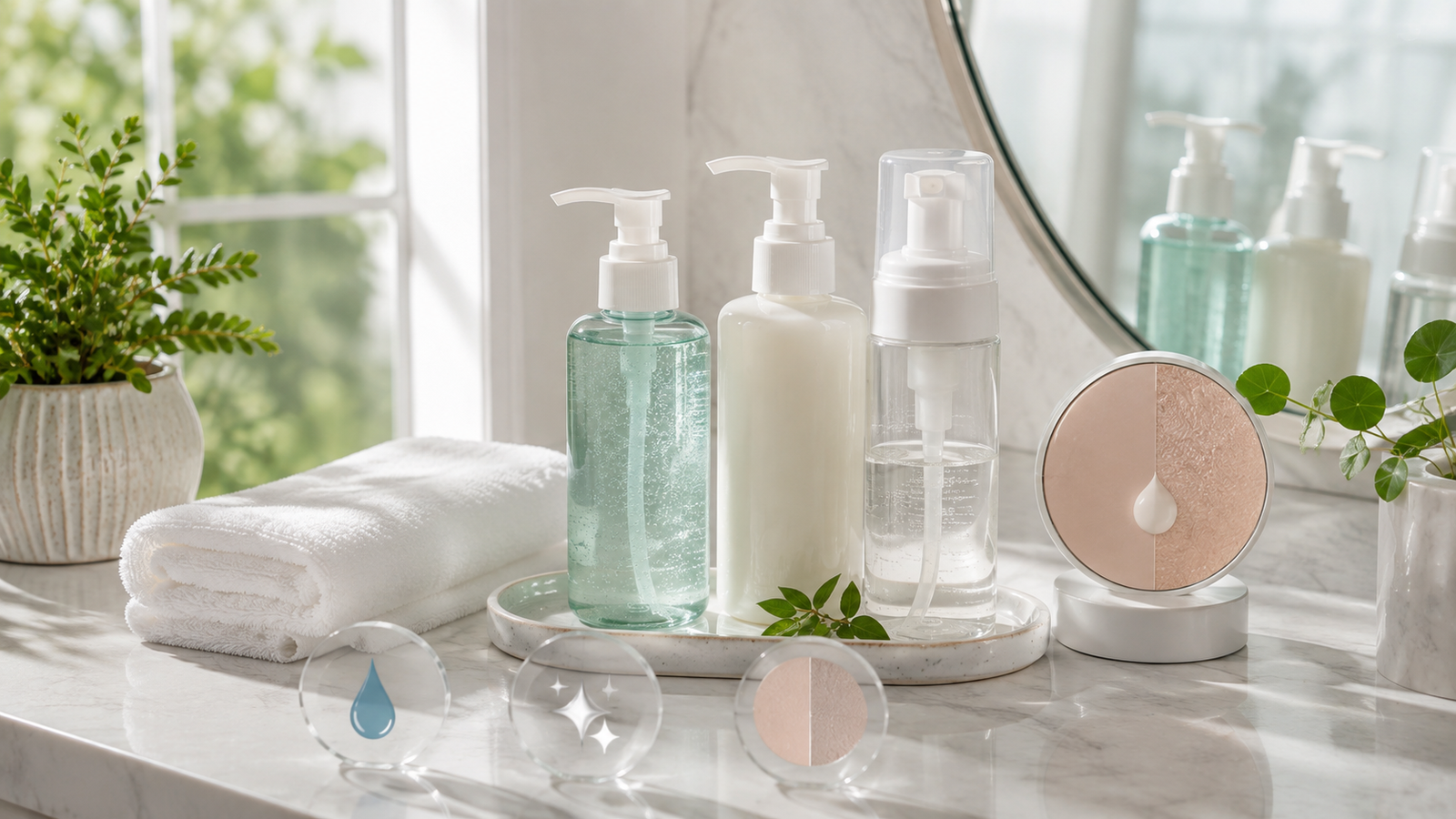
Most people think of skincare as a functional task — something to get done quickly before bed or rushing out the door in the morning. But skincare can be so much more than that. A mindful skincare routine transforms a daily obligation into a meaningful self-care ritual that nourishes both your skin and your emotional wellbeing. The most consistent skincare routines are those people genuinely look forward to — not because of the products, but because of the intentional pause they create in an otherwise busy day.
What is Mindful Skincare?
Mindful skincare applies the principles of mindfulness — present-moment awareness, intentional attention, and non-judgmental observation — to your daily skincare practice. Rather than rushing through your routine while scrolling your phone or mentally planning your day, mindful skincare asks you to slow down, engage all your senses, and bring your full attention to the experience of caring for your skin. Research on mindfulness consistently shows that even brief daily practices reduce cortisol levels, lower inflammation markers, and improve subjective wellbeing — all of which benefit skin health directly.
The Science Behind the Routine-Skin Connection
Consistent skincare routines benefit the skin through two interrelated pathways: the direct effect of the products used, and the indirect effect of the stress-reduction the ritual creates. When you engage in a regular, calming skincare practice, you activate the parasympathetic nervous system (rest-and-digest mode), which counteracts the effects of cortisol and sympathetic stress activation. This physiological shift reduces inflammation, supports barrier function, improves circulation (bringing nutrients and oxygen to skin cells), and promotes better sleep — all of which translate to visibly healthier skin over time.
Building Your Mindful Morning Routine
Create Space for Your Routine
The first step to mindful skincare is giving yourself adequate time. Rushing through your routine under time pressure is the opposite of mindful. Wake up 15–20 minutes earlier if needed to create an unhurried window for your morning skincare ritual. Reduce distractions — put your phone on silent, step away from screens, and dedicate this time entirely to yourself. Even 10 minutes of unhurried, intentional skincare creates a meaningfully different psychological and physiological experience than the same steps performed in frantic haste.
Engage Your Senses
Sensory engagement is the foundation of mindfulness practice. As you cleanse, notice the temperature of the water, the texture of the cleanser, the scent, and the sensation of your hands on your face. As you apply toner or serum, feel the coolness of the product, the absorption into your skin, and the change in your skin's texture. Take a moment between each step to check in with how your skin is feeling — is it dry, tight, comfortable, balanced? This sensory awareness helps you genuinely understand your skin's changing needs rather than just following a fixed script.
Practice Facial Massage
Incorporate simple facial massage techniques into your routine using your cleanser, serum, or facial oil. Gentle upward strokes along the cheekbones, circular motions at the temples, and lymphatic drainage techniques along the jaw and neck increase circulation, reduce puffiness, and promote relaxation. Facial massage stimulates blood flow to skin cells, enhancing nutrient delivery and waste removal at a cellular level. It also releases physical tension held in the facial muscles — particularly in the jaw, forehead, and around the eyes where stress is commonly stored.
Building Your Mindful Evening Routine
The Evening Routine as Transition Ritual
The evening skincare routine holds particular power as a transition ritual — a signal to the body and mind that the demands of the day are over and rest is beginning. This transition is especially valuable in our always-on digital culture, where clear boundaries between work and rest are increasingly eroded. Beginning your evening routine at a consistent time — even if other parts of your evening vary — trains your nervous system to associate the routine with winding down, making it easier to fall asleep and achieve deeper, more restorative rest.
Cleansing as Release
The cleansing step of your evening routine can serve as a symbolic and physical act of release. As you wash away the day's sunscreen, pollution, and accumulated stress, practice consciously letting go of the tensions and concerns of the day. Use the sensation of warm water and gentle cleansing as a focal point for present-moment awareness. This practice — which combines physical cleansing with mindful intention — has been reported by practitioners of wellness-based skincare to significantly reduce pre-sleep anxiety and improve sleep quality.
Gratitude and Skin Acceptance
Mindful skincare includes cultivating a compassionate relationship with your skin rather than a critical or punishing one. As you look at your face in the mirror during your evening routine, practice noticing your skin with curiosity and acceptance rather than judgment. Many people's internal monologue during skincare is deeply critical — focused on flaws, imperfections, and perceived problems. Shifting this narrative toward gratitude for what your skin does — protecting you, healing, adapting — creates a fundamentally different relationship with your skin and with self-care in general.
Product Selection with Intention
Mindful skincare also means being intentional about the products you choose. Rather than accumulating products out of marketing-driven impulse or social media influence, curate a small, purposeful selection that genuinely serves your skin's needs. Before adding a new product to your routine, ask: Does my skin actually need this? Does this address a genuine skin concern I have? Have I researched the ingredients? Simplicity is not a limitation — a well-chosen routine of 4–6 products used consistently will outperform a complicated 12-step routine used irregularly.
Reading Ingredients Mindfully
Part of mindful product selection is understanding what you are putting on your skin. Take time to read ingredient lists. Learn to identify the key active ingredients (those listed in the first third of the INCI list, indicating higher concentrations) and the potential irritants (fragrance, alcohol denat., essential oils) that may not suit your skin. This knowledge transforms you from a passive consumer into an informed, empowered skincare practitioner.
Journaling Your Skin's Journey
Keeping a simple skincare journal — even just a few notes or photos once a week — deepens the mindful relationship with your skin and provides valuable data for making informed adjustments to your routine. Note how your skin looks and feels each morning, any new products introduced, lifestyle factors that seem to affect your skin (diet, sleep, stress levels, weather changes), and any reactions or improvements noticed. Over months, patterns emerge that would otherwise be invisible — revealing the specific factors that most influence your unique skin's health.
When Your Skin Acts Up: A Mindful Response
Breakouts, dryness, and irritation are inevitable parts of having skin. A mindful response to skin challenges begins with curiosity rather than panic: What changed recently? Did I introduce a new product? Is stress elevated? Has my diet shifted? Has the season changed? Resist the urge to immediately pile on new products or harsh treatments when your skin reacts. Instead, simplify your routine, focus on barrier support, and give your skin time to stabilize before making further changes.
Conclusion
Mindful skincare is not about achieving perfection — it is about cultivating a consistent, intentional practice of self-care that benefits both your skin and your wellbeing. The routine that works best is not necessarily the most expensive or complicated one, but the one you return to every day with presence and care. In a world that constantly demands your attention outward, your skincare ritual is a precious few minutes each day devoted entirely to yourself. Protect that time — your skin, and your soul, will be better for it.