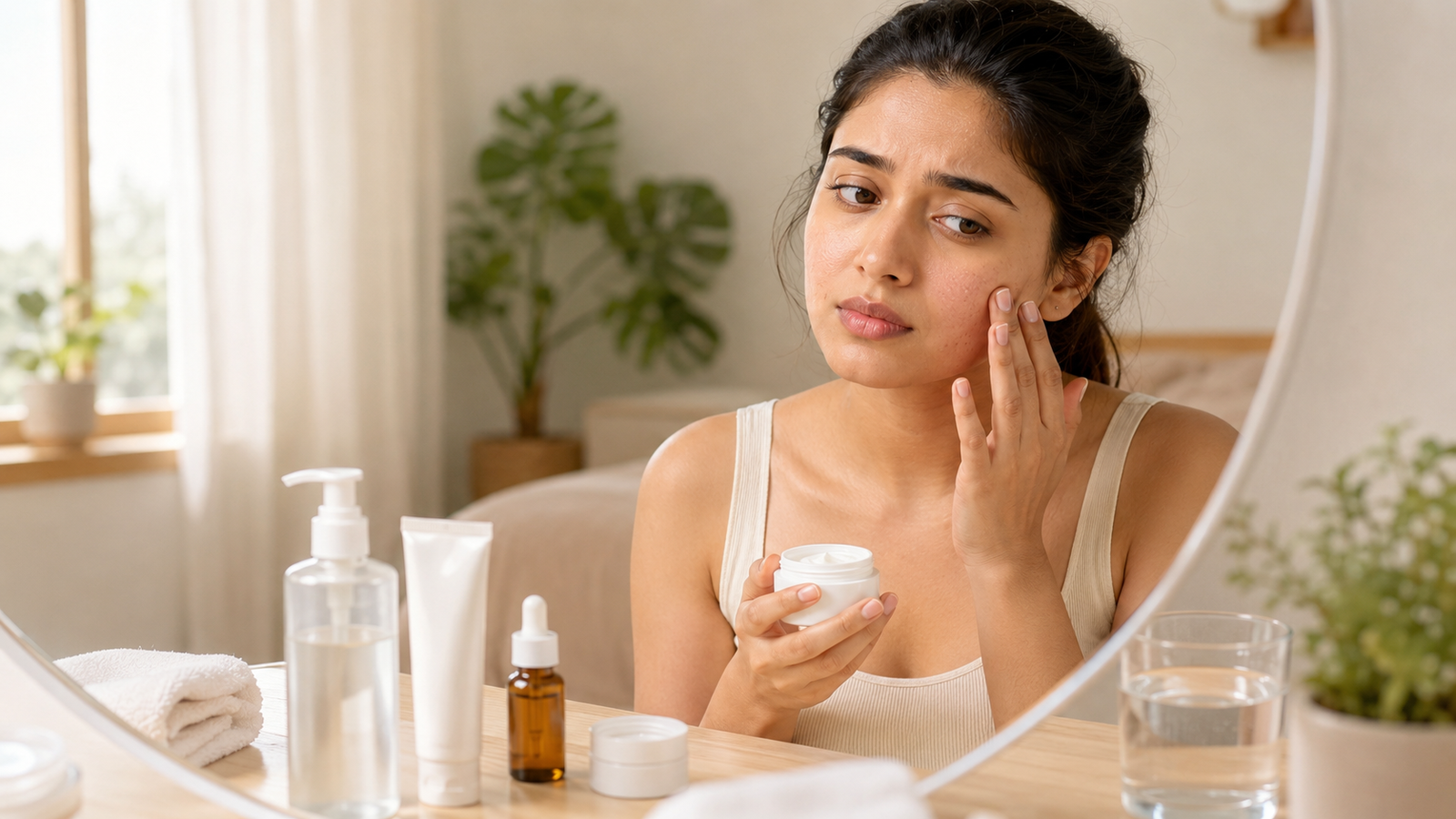
Dry skin is one of the most common skin concerns worldwide, affecting people of all ages. It can range from mild tightness and flakiness to severe dryness with cracking, redness, and discomfort. While dry skin is sometimes a genetic predisposition, environmental factors, lifestyle habits, and skincare choices often make it significantly worse. Understanding the science of skin hydration is the key to building a routine that delivers real, lasting results.
Understanding Why Skin Gets Dry
The outermost layer of the skin — the stratum corneum — functions as a barrier that retains moisture while keeping irritants and pathogens out. This barrier is composed of dead skin cells (corneocytes) embedded in a lipid matrix made of ceramides, cholesterol, and fatty acids. When this lipid matrix is disrupted or depleted, water escapes through the skin rapidly — a process called transepidermal water loss (TEWL). Elevated TEWL results in the tight, rough, flaky sensation we associate with dry skin.
Common causes of increased TEWL and dry skin include harsh cleansers that strip natural oils, hot water exposure, low humidity environments, excessive exfoliation, certain medications, aging (which reduces natural sebum and ceramide production), and underlying skin conditions like eczema or psoriasis.
The Three Components of Skin Hydration
Humectants: Drawing Water In
Humectants are hygroscopic molecules that attract and bind water from both the deeper skin layers and the surrounding environment. They are the first step in hydrating dry skin. The most effective humectants include hyaluronic acid (which can hold up to 1,000 times its weight in water), glycerin (one of the most well-researched and effective skin humectants), urea (which also helps break down dry, rough skin), aloe vera, panthenol (pro-vitamin B5), and sodium PCA. Look for these ingredients in toners, serums, and essences that are applied to damp skin to maximize their water-attracting capacity.
Emollients: Smoothing and Softening
Emollients fill in the spaces between skin cells in the stratum corneum, creating a smooth, soft surface and reducing the rough texture associated with dry skin. They do not add water but make the skin feel comfortable and plump. Common emollients include plant oils (jojoba, rosehip, argan, sweet almond), fatty alcohols (cetearyl alcohol, stearyl alcohol), shea butter, squalane, and ceramides. These are typically found in moisturizers and face oils and are applied after humectant-based products.
Occlusives: Locking Moisture In
Occlusives form a physical seal on the skin's surface that prevents water from evaporating. They are the final, most important step in treating dry skin — without occlusion, humectants can actually draw moisture out of the skin in low-humidity environments. Effective occlusives include petrolatum (the most effective, found in petroleum jelly), dimethicone, beeswax, lanolin, and zinc oxide. Rich night creams and face balms typically contain high levels of occlusive ingredients for maximum overnight moisture retention.
Building a Dry Skin Routine
Cleansing
Choose a gentle, cream-based or oil-based cleanser that cleans without stripping. Avoid foaming cleansers with sulfates (SLS/SLES), as these disrupt the lipid barrier and worsen dryness. Wash with lukewarm — never hot — water, and limit cleansing to once daily (morning rinse only, full cleanse at night). Pat skin dry gently with a soft towel rather than rubbing.
Toning
Skip alcohol-based toners entirely. Opt for hydrating toners or essences containing glycerin, hyaluronic acid, or aloe vera. Apply to slightly damp skin immediately after cleansing to layer hydration before any water can evaporate.
Serum
A hydrating serum with multiple molecular weights of hyaluronic acid delivers moisture to different skin depths. Apply 2–3 drops to damp skin and press gently to encourage absorption. Look for serums that also contain ceramides or peptides to support barrier repair alongside deep hydration.
Moisturizer
For dry skin, choose a rich cream rather than a light lotion. Look for formulas that combine humectants (glycerin, hyaluronic acid), emollients (shea butter, ceramides), and occlusives (petrolatum, dimethicone) in one product. Apply immediately after your serum while the skin is still slightly damp to seal in all the moisture you've layered underneath.
Face Oil (Optional)
Face oils provide an additional emollient layer that fills in surface cracks and adds a healthy glow. Apply 2–3 drops of facial oil — such as rosehip, argan, or squalane — after your moisturizer or mix it into your moisturizer. Face oils are not the same as moisturizers and cannot replace them — they work best as the final sealing step.
Sun Protection
UV radiation accelerates barrier damage and worsens chronic dryness. Choose a hydrating sunscreen formulated for dry skin — look for SPF 30+ products that also contain moisturizing ingredients. Mineral sunscreens (zinc oxide, titanium dioxide) tend to be less drying than chemical filters for sensitive, dry skin types.
Night Routine for Dry Skin
Nighttime is when the skin does most of its repair work. Take advantage of this by using richer products and barrier-repairing actives at night. After cleansing and toning, apply a ceramide-rich serum to rebuild the lipid barrier. Follow with a rich night cream or a sleeping mask that contains occlusives to maximize moisture retention overnight. If your skin is very dry or compromised, practice "slugging" — applying a thin layer of pure petrolatum (Vaseline) as the very last step to create an impermeable occlusive seal. This technique dramatically reduces TEWL and can visibly improve dryness within a few days.
Key Ingredients to Look For
The most effective ingredients for dry skin include ceramides (NP, AP, EOP — the three skin-identical ceramide types), hyaluronic acid, glycerin, shea butter, squalane, niacinamide (which boosts ceramide production and reduces barrier permeability), panthenol, allantoin (which soothes and promotes cell renewal), and petrolatum or dimethicone for occlusion. Avoid ingredients that worsen dryness: alcohol (denat.), fragrance, essential oils, strong retinoids without buffering, and over-exfoliating acids.
Lifestyle Habits That Support Dry Skin
Beyond your skincare routine, several lifestyle adjustments can significantly improve dry skin. Use a humidifier in your bedroom, especially during winter months when indoor heating strips moisture from the air. Drink at least 8–10 glasses of water daily and eat water-rich foods like cucumber, watermelon, and leafy greens. Take shorter showers with lukewarm water, and immediately apply your full skincare routine within 2–3 minutes of getting out while your skin is still damp. Wear cotton and natural fiber clothing that does not irritate the skin, and use fragrance-free laundry detergents.
Conclusion
Dry skin is manageable with the right knowledge and consistent approach. By understanding the three pillars of hydration — attracting, sealing, and preventing water loss — and building a routine that addresses each layer, you can transform chronically dry, uncomfortable skin into a smooth, supple, luminous complexion. Be patient, be consistent, and your skin will reward you.