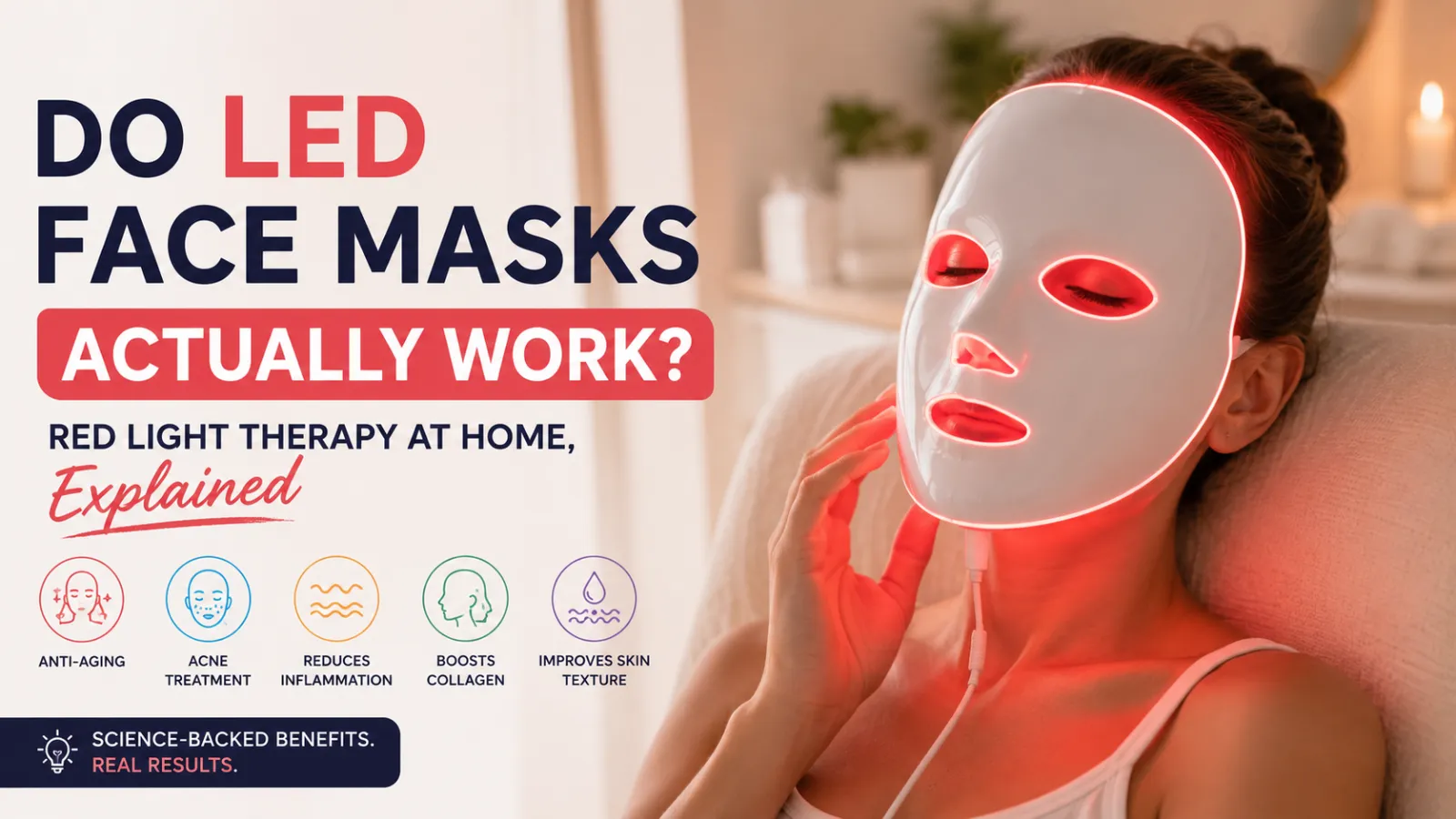
The skincare industry is constantly evolving, and one of the most exciting innovations in recent years is the LED face mask. Once reserved for dermatology clinics and luxury spas, light therapy has now become widely available through at-home devices designed to help improve skin health and appearance.
If you've spent any time scrolling through social media or browsing skincare products online, you've probably seen celebrities, influencers, and skincare enthusiasts wearing futuristic-looking LED masks. These devices claim to reduce wrinkles, fight acne, improve skin tone, and boost collagen production—all without needles, chemicals, or downtime.
As someone researching modern skincare technologies, it's important to understand that LED therapy isn't a miracle treatment. While many users report visible improvements in skin texture, acne, and overall radiance, results can vary depending on skin type, treatment consistency, and device quality. Understanding both the benefits and limitations helps set realistic expectations before investing in an LED face mask.
Do LED Face Masks Actually Work?
The answer is more nuanced than a simple yes or no. While scientific research supports many of the benefits of light therapy, results depend on several factors, including the quality of the device, consistency of use, and individual skin concerns.
In this comprehensive guide, we'll explore how LED face masks work, what red light therapy does, who can benefit from it, and whether investing in one is worth it for your skincare routine.
What Is an LED Face Mask?
An LED face mask is a wearable skincare device that uses Light Emitting Diodes (LEDs) to deliver specific wavelengths of light to the skin.
Different colors of light penetrate the skin at varying depths and target different skin concerns. Unlike ultraviolet (UV) rays from the sun, LED light therapy is non-invasive and does not damage the skin when used correctly.
LED therapy was originally studied by scientists and later adopted by medical professionals for wound healing and skin rejuvenation. Over time, the technology evolved into professional dermatology treatments and eventually consumer-friendly home devices.
Today, LED masks are commonly used to address:
- Fine lines and wrinkles
- Acne breakouts
- Skin inflammation
- Uneven skin tone
- Redness
- Loss of elasticity
- Dull-looking skin
How Does Red Light Therapy Work?
Red light therapy is one of the most popular forms of LED treatment.
The concept behind red light therapy is relatively simple. Specific wavelengths of red light penetrate the skin and interact with cells known as fibroblasts. These cells play a key role in producing collagen and elastin, two proteins responsible for keeping skin firm, smooth, and youthful.
As we age, collagen production naturally declines. This decline contributes to:
- Fine lines
- Wrinkles
- Sagging skin
- Reduced skin elasticity
Red light therapy may help stimulate cellular activity, encouraging the skin's natural repair and regeneration processes.
Many skincare professionals believe consistent exposure to red LED light can support healthier-looking skin over time by enhancing cellular energy production.
Understanding Different LED Light Colors
Not all LED masks work the same way. Many modern devices include multiple light settings designed for specific concerns.
Red Light
Red light is primarily associated with anti-aging benefits.
Potential benefits include:
- Supporting collagen production
- Reducing the appearance of fine lines
- Improving skin firmness
- Enhancing overall skin texture
Blue Light
Blue light is often used for acne-prone skin.
Potential benefits include:
- Targeting acne-causing bacteria
- Reducing active breakouts
- Helping prevent future acne flare-ups
Yellow Light
Yellow light is commonly used to address redness and skin sensitivity.
Potential benefits include:
- Calming irritated skin
- Improving skin radiance
- Supporting circulation
Near-Infrared Light
Near-infrared wavelengths penetrate deeper into the skin.
Potential benefits include:
- Supporting tissue repair
- Enhancing skin recovery
- Promoting overall skin health
Many premium LED masks combine several light settings to provide a more comprehensive treatment experience.
Do Scientific Studies Support LED Face Masks?
One reason LED therapy continues to gain popularity is that it is supported by a growing body of scientific research.
Studies have suggested that certain wavelengths of light may help improve various skin concerns, particularly when treatments are used consistently over time.
Research has shown promising results in areas such as:
- Skin rejuvenation
- Acne management
- Wound healing
- Inflammation reduction
- Collagen stimulation
However, it's important to maintain realistic expectations.
Most studies focus on professional-grade equipment used under controlled conditions. At-home devices are generally less powerful than those found in dermatology clinics, meaning results may take longer to become noticeable.
What Research Says
Several clinical studies have explored the effects of LED light therapy on skin health. Research published in peer-reviewed dermatology journals suggests that red light wavelengths may support collagen production and improve signs of photoaging, while blue light therapy has shown effectiveness in reducing acne-causing bacteria.
Although results vary across individuals, these findings have contributed to the growing adoption of LED therapy in both dermatology clinics and at-home skincare devices.
Benefits of Using an LED Face Mask at Home
1. Convenient Skincare Treatment
One of the biggest advantages of at-home LED masks is convenience.
Rather than scheduling appointments at a clinic, users can incorporate treatments into their daily routine while watching TV, reading, or relaxing.
2. Non-Invasive Approach
Unlike cosmetic procedures that involve injections or lasers, LED therapy does not require downtime.
Most users can resume normal activities immediately after treatment.
3. Suitable for Various Skin Types
LED therapy is generally considered safe for many skin types when used according to manufacturer guidelines.
This makes it an attractive option for people seeking gentle skincare solutions.
4. Long-Term Cost Savings
Professional LED treatments can be expensive when performed regularly.
Although quality LED masks require an upfront investment, many users view them as a cost-effective long-term skincare tool.
5. Supports Existing Skincare Routines
LED masks can complement:
- Serums
- Moisturizers
- Sunscreen
- Anti-aging products
- Acne treatments
They are often used as part of a broader skincare strategy rather than as a standalone solution.
How Long Does It Take to See Results?
One of the most common questions people ask is how quickly LED therapy works.
The timeline varies depending on:
- Skin condition
- Device quality
- Frequency of use
- Individual response
Many users report noticing subtle improvements in skin brightness and texture within a few weeks.
For collagen-related improvements, results often require consistent use over several months.
A typical schedule may involve:
- 10 to 20 minutes per session
- 3 to 5 treatments per week
- Continued use for several months
Patience and consistency are essential.
LED therapy is generally not a quick fix but rather a gradual skincare investment.
A Typical User Experience
For example, someone using an LED face mask for mild acne may notice fewer inflamed breakouts after several weeks of consistent use. A person focusing on anti-aging concerns may observe gradual improvements in skin smoothness and radiance over a longer period. Individual experiences vary, but consistency remains one of the most important factors.
Can LED Face Masks Help with Acne?
Acne is one of the most common reasons people purchase LED face masks.
Blue light therapy is particularly popular because it may help target bacteria associated with acne development.
Potential acne-related benefits include:
- Fewer breakouts
- Reduced inflammation
- Improved skin appearance
- Support for clearer skin
However, severe or persistent acne may require professional medical treatment.
An LED mask should not replace advice from a dermatologist for serious skin conditions.
Can Red Light Therapy Reduce Wrinkles?
Many anti-aging claims surrounding LED masks focus on wrinkle reduction.
While no device can completely stop the aging process, red light therapy may help improve the appearance of aging skin by supporting collagen production.
Potential benefits include:
- Softer fine lines
- Improved skin texture
- Enhanced elasticity
- Firmer-looking skin
Results tend to be gradual and vary from person to person.
Those expecting dramatic transformations may be disappointed, but many users appreciate the subtle improvements achieved through regular use.
Are LED Face Masks Safe?
For most people, LED face masks are considered safe when used correctly.
Unlike UV tanning devices, LED masks do not expose the skin to harmful ultraviolet radiation.
Safety tips include:
- Follow manufacturer instructions
- Use recommended treatment durations
- Wear eye protection if advised
- Avoid damaged devices
- Consult a healthcare professional if you have underlying medical conditions
Individuals with photosensitivity disorders or those taking medications that increase light sensitivity should seek medical guidance before use.
Who Should Avoid LED Therapy?
- People with photosensitivity disorders
- Individuals taking light-sensitive medications
- Those with active skin infections unless advised by a healthcare professional
- Anyone unsure about treatment suitability should consult a dermatologist
Common Mistakes People Make with LED Face Masks
Many users fail to achieve desired results because of unrealistic expectations or incorrect usage.
Inconsistent Use
Skipping treatments frequently can reduce effectiveness.
Expecting Overnight Results
Skin improvements usually occur gradually.
Ignoring Other Skincare Basics
LED therapy works best alongside:
- Daily sunscreen
- Proper cleansing
- Hydration
- Healthy lifestyle habits
Buying Low-Quality Devices
Not all LED masks are created equal.
Choosing reputable products with documented wavelengths and safety standards is important.
How to Choose the Best LED Face Mask
When shopping for an LED mask, consider the following factors:
Wavelength Information
Look for devices that clearly specify wavelength ranges.
FDA Clearance or Certifications
While not mandatory in every market, regulatory approvals can provide added confidence.
Treatment Modes
Multiple light options may offer greater versatility.
Comfort and Fit
A comfortable mask encourages consistent use.
Brand Reputation
Research reviews, customer feedback, and manufacturer transparency.
Who Should Consider Using an LED Face Mask?
LED face masks may be suitable for:
- Individuals concerned about aging skin
- People seeking non-invasive skincare options
- Those experiencing mild acne
- Users looking to enhance their skincare routine
- Individuals interested in at-home beauty technology
However, they may not be the ideal solution for everyone.
People with severe skin conditions should consult a dermatologist before investing in any device.
Are Professional Treatments Better Than Home Devices?
Professional LED treatments generally use more powerful equipment than consumer devices.
Benefits of professional treatments may include:
- Faster results
- Customized protocols
- Expert supervision
However, home devices offer:
- Convenience
- Affordability over time
- Consistent access
For many people, at-home masks provide a practical middle ground between professional treatments and traditional skincare products.
What Dermatologists Say About LED Therapy
Many dermatologists recognize LED therapy as a legitimate skincare technology.
Experts often emphasize that LED treatment should be viewed as a supportive skincare tool rather than a miracle cure.
When combined with:
- Sunscreen
- Healthy skincare habits
- Professional guidance when necessary
LED therapy may contribute to healthier-looking skin over time.
The key is maintaining realistic expectations and using evidence-based devices.
Final Verdict: Do LED Face Masks Actually Work?
LED face masks are not magic devices, but they are more than just a beauty trend.
Scientific evidence suggests that specific wavelengths of light can positively influence skin health, particularly in areas such as collagen support, inflammation reduction, and acne management.
For people willing to use the device consistently and maintain realistic expectations, an LED face mask can be a valuable addition to a skincare routine.
Results are generally gradual rather than dramatic, but many users appreciate the convenience, non-invasive nature, and long-term benefits of red light therapy at home.
If you're considering purchasing an LED face mask, focus on quality, safety, and consistency. Combined with a healthy skincare routine and proper sun protection, LED therapy may help you achieve brighter, smoother, and healthier-looking skin over time.
Frequently Asked Questions (FAQ)
Do LED face masks really work?
Yes, research suggests LED face masks can support skin rejuvenation, acne management, and collagen production when used consistently.
How often should I use an LED face mask?
Most manufacturers recommend using the device three to five times per week, depending on the product and skin concerns.
Is red light therapy safe for the face?
Red light therapy is generally considered safe when used according to manufacturer guidelines and does not expose skin to harmful UV rays.
Can LED masks reduce wrinkles?
They may help reduce the appearance of fine lines and wrinkles by supporting collagen production and improving skin texture over time.
Do LED face masks help with acne?
Blue light therapy may help target acne-causing bacteria and reduce inflammation associated with breakouts.
How long does it take to see results from LED therapy?
Some users notice improvements in skin brightness within a few weeks, while collagen-related benefits may take several months of regular use.
Can I use skincare products with LED therapy?
Yes. Many people combine LED treatments with serums, moisturizers, and sunscreen as part of a complete skincare routine.
Are expensive LED masks better?
Not always. The most important factors are wavelength accuracy, safety standards, device quality, and consistent use.