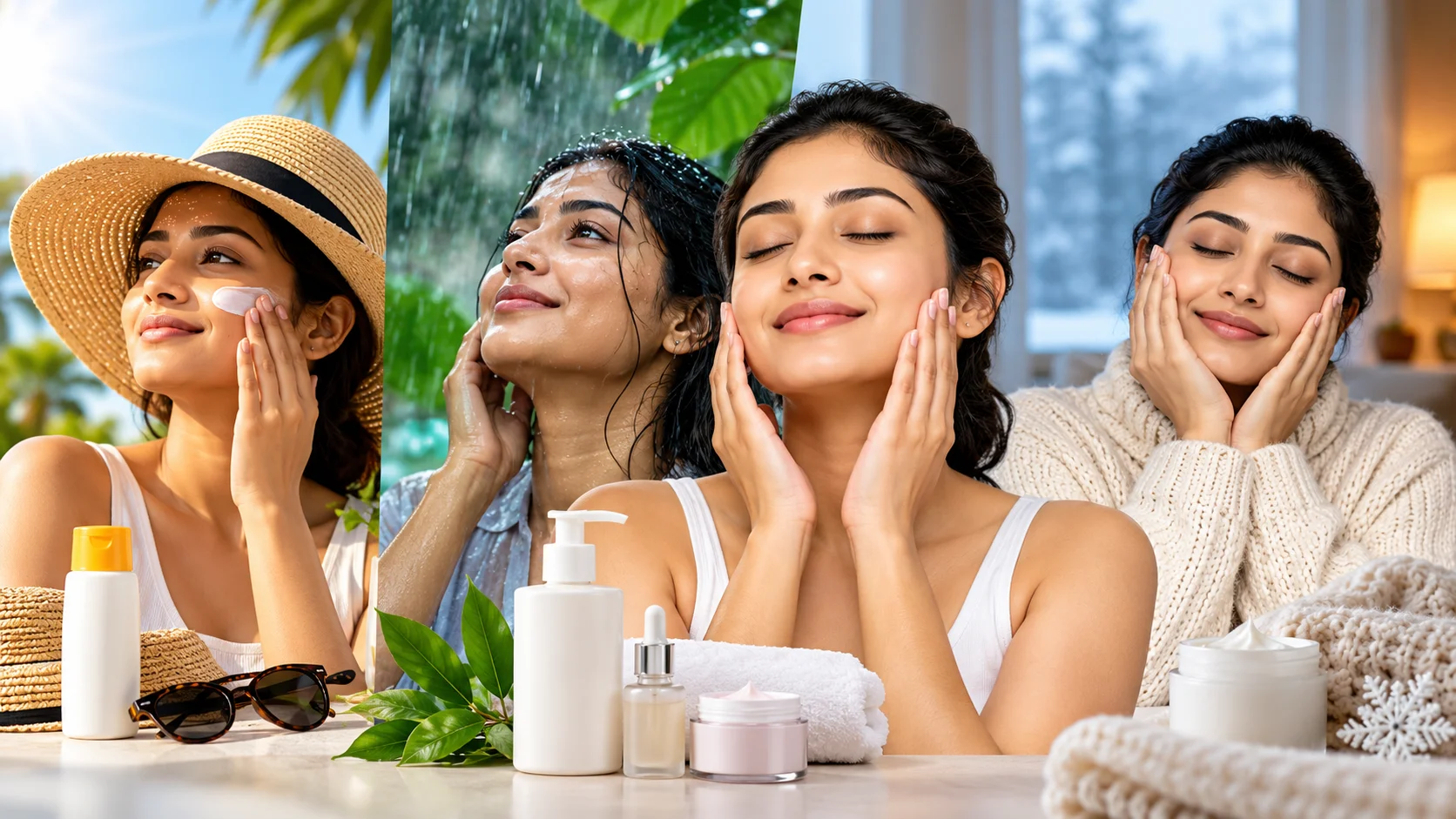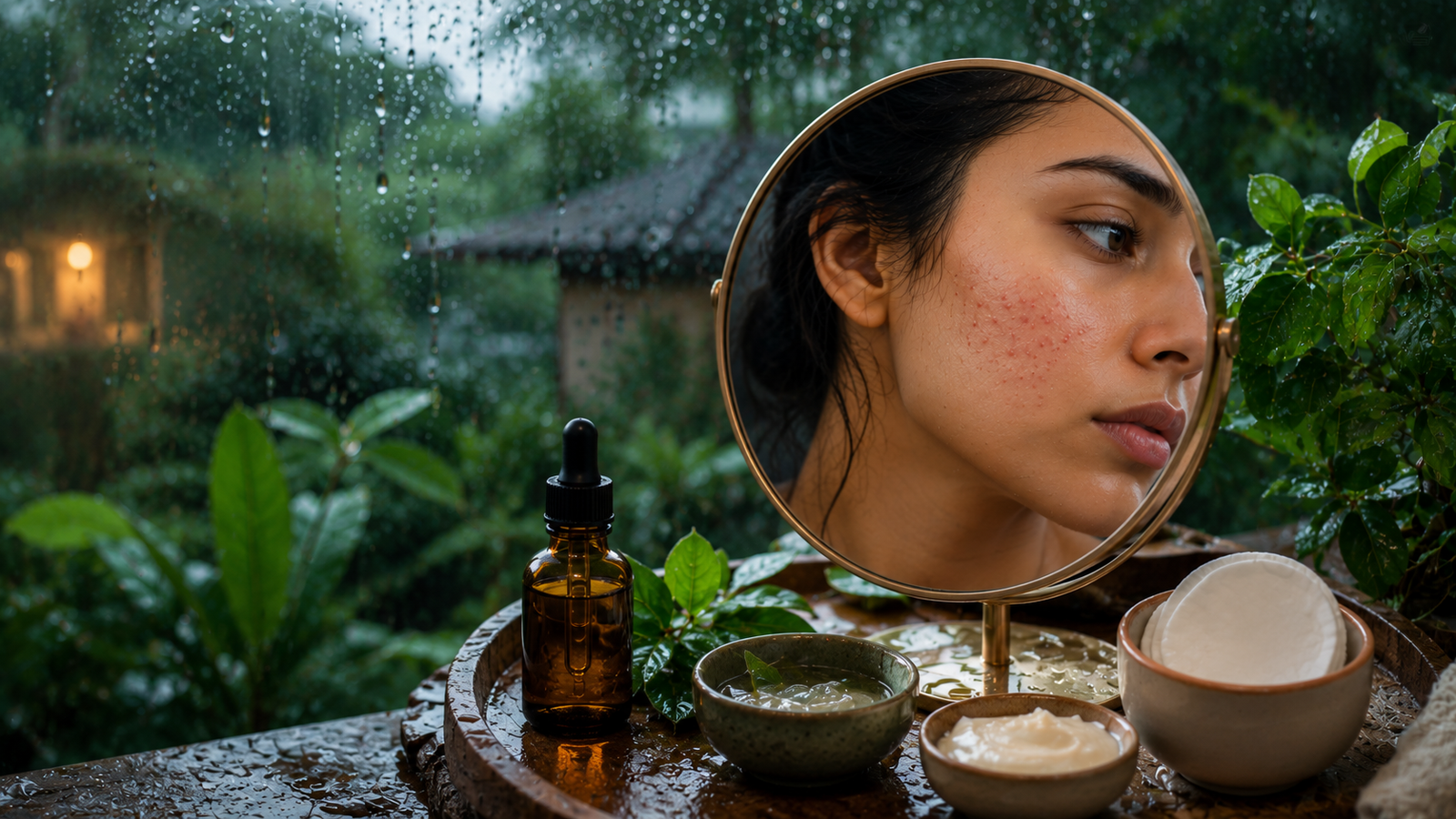
Monsoon brings welcome relief from the summer heat, but it also creates the perfect environment for several skin problems. One of the most common concerns during the rainy season is fungal acne monsoon outbreaks. Increased humidity, sweat, and excess oil production allow yeast to multiply on the skin, leading to itchy, stubborn bumps that are often mistaken for regular acne.
Many people spend weeks treating these breakouts with traditional acne products without seeing any improvement. That's because fungal acne requires a completely different treatment approach.
In this guide, you'll learn how to identify fungal acne, understand fungal acne vs regular acne, explore the best fungal acne treatment India options, and discover practical ways to prevent future breakouts during the monsoon season.
If you're looking for a complete rainy season skincare routine, read our Seasonal Care.
What Is Fungal Acne?
Despite its name, fungal acne isn't actually acne.
It is a skin condition medically known as Malassezia folliculitis, caused by an overgrowth of Malassezia yeast that naturally lives on our skin. During monsoon, warm temperatures combined with high humidity create ideal conditions for this yeast to multiply rapidly.
As the yeast grows inside hair follicles, it causes inflammation that appears as tiny, itchy bumps.
Unlike bacterial acne, fungal acne won't respond to typical acne medications like benzoyl peroxide or many antibiotic creams. In some cases, antibiotics may even worsen the condition by disrupting the skin's natural balance.
Why Does Monsoon Increase Fungal Acne?
The rainy season creates several factors that encourage fungal growth.
These include:
- High humidity
- Excessive sweating
- Oily skin
- Tight clothing
- Wearing damp clothes for long periods
- Frequent exposure to polluted rainwater
- Heavy moisturizers and oily sunscreens
People living in humid parts of India often notice sudden flare-ups during July, August, and September.
Fungal Acne vs Regular Acne
Understanding fungal acne vs regular acne is essential because each condition requires different treatment.
| Fungal Acne | Regular Acne |
|---|---|
| Caused by yeast | Caused by bacteria, oil, and clogged pores |
| Very itchy | Usually not itchy |
| Small bumps are almost identical in size | Pimples vary in size |
| No blackheads or whiteheads | Blackheads and whiteheads are common |
| Appears in clusters | Appears randomly |
| Common on forehead, chest, back, shoulders | Mostly face and chin |
| Doesn't improve with acne creams | Often improves with acne medication |
If your bumps itch constantly and don't improve after several weeks of acne treatment, fungal acne could be the reason.
Common Symptoms of Fungal Acne
Recognizing the symptoms early helps you start the correct treatment.
Common signs include:
- Small itchy bumps
- Red inflamed follicles
- Tiny white pustules
- Uniform appearance
- Sudden outbreak after sweating
- Breakouts on forehead
- Chest acne
- Shoulder acne
- Back acne
Many people searching for small bumps on forehead monsoon are actually experiencing fungal acne rather than traditional acne.
What Causes Small Bumps on Forehead During Monsoon?
The forehead is one of the most common places where fungal acne develops.
Reasons include:
- Sweat trapped under hair
- Oily scalp
- Hair products transferring onto the skin
- Helmet use
- Humid weather
- Wearing caps for long periods
If you're noticing persistent small bumps on forehead monsoon, reducing oil-based hair products and keeping your forehead clean can significantly help.
You may also find our Acne vs Pimples Guide helpful for understanding different types of breakouts.
How to Get Rid of Fungal Acne
If you're wondering how to get rid of fungal acne, the key is controlling yeast rather than bacteria.
1. Use an Antifungal Face Wash
Products containing ketoconazole or zinc pyrithione can help reduce yeast growth.
Some dermatologists even recommend using medicated anti-dandruff shampoo as a face wash two or three times per week for affected areas.
Always consult a dermatologist before starting medicated treatments.
2. Keep Your Skin Dry
Moist environments encourage fungal growth.
- Wash your face after sweating.
- Change wet clothes immediately.
- Dry your skin thoroughly after bathing.
3. Avoid Heavy Oil-Based Products
Many thick creams trap heat and moisture.
- Lightweight gel moisturizers
- Non-comedogenic sunscreen
- Oil-free skincare
4. Wear Breathable Clothing
Cotton fabrics allow sweat to evaporate more quickly than synthetic materials.
Loose-fitting clothing also reduces friction on the skin.
5. Avoid Overusing Antibiotics
Repeated antibiotic use may disturb the skin's natural microbiome and encourage yeast overgrowth.
Never self-medicate for persistent breakouts.
Best Fungal Acne Treatment India
Several fungal acne treatment India options are available depending on the severity of the condition.
Common dermatologist-recommended treatments include:
- Ketoconazole creams
- Ciclopirox creams
- Selenium sulfide washes
- Zinc pyrithione cleansers
- Oral antifungal medicines for severe cases
Treatment usually begins showing improvement within two to four weeks when combined with proper skincare.
Because symptoms can resemble bacterial acne, professional diagnosis is recommended before starting prescription medication.
For medically reviewed information about fungal skin infections, visit the American Academy of Dermatology (AAD) .
Skincare Routine for Fungal Acne During Monsoon
Morning Routine
- Gentle cleanser
- Lightweight moisturizer
- Gel sunscreen
- Avoid oily makeup
Night Routine
- Mild cleanser
- Antifungal product if prescribed
- Lightweight moisturizer
Weekly Care
- Wash pillowcases regularly
- Clean makeup brushes
- Replace old sponges
- Avoid sharing towels
Foods That May Help Maintain Healthy Skin
Although diet isn't the primary cause, eating balanced meals supports overall skin health.
Include:
- Fresh vegetables
- Fruits
- Yogurt (if tolerated)
- Nuts
- Whole grains
- Plenty of water
Try reducing excessive sugary foods if you notice repeated flare-ups.
Mistakes That Make Fungal Acne Worse
Many people unknowingly prolong the condition.
Avoid these common mistakes:
- Popping bumps
- Using thick facial oils
- Ignoring sweat after exercise
- Wearing damp clothes
- Self-prescribing antibiotics
- Skipping dermatologist consultation for severe outbreaks
When Should You Visit a Dermatologist?
Seek medical advice if:
- Breakouts continue for more than three weeks.
- Home care isn't helping.
- Itching becomes severe.
- Infection spreads across the chest or back.
- Pain develops.
- You experience repeated fungal acne monsoon flare-ups every year.
Early diagnosis helps prevent unnecessary treatments and recurring skin damage.
Prevention Tips for Monsoon
Preventing fungal acne is easier than treating repeated outbreaks.
Follow these habits:
- Wash your face twice daily.
- Shower soon after sweating.
- Keep your scalp clean.
- Wear breathable cotton clothing.
- Avoid sharing towels.
- Choose lightweight skincare products.
- Change pillow covers every few days.
- Stay hydrated.
- Avoid sleeping with makeup on.
Consistency is the most effective strategy for preventing fungal acne during humid weather.
Conclusion
The combination of humidity, sweat, and excess oil makes fungal acne monsoon outbreaks increasingly common across India. Because it closely resembles regular acne, many people use the wrong treatments and become frustrated when nothing improves.
Understanding fungal acne vs regular acne allows you to choose the right skincare approach from the beginning. If you notice itchy, uniform bumps that don't respond to standard acne products, consult a dermatologist for an accurate diagnosis.
With the right fungal acne treatment India plan, proper hygiene, lightweight skincare, and simple lifestyle adjustments, most people can successfully control flare-ups and enjoy healthier skin throughout the monsoon season.
Frequently Asked Questions
Is fungal acne contagious?
No. Fungal acne is not contagious. It develops due to an overgrowth of yeast naturally present on the skin.
How long does fungal acne take to heal?
With appropriate treatment, improvement is often seen within two to four weeks, although severe cases may take longer.
Can fungal acne go away naturally?
Mild cases may improve if humidity decreases and skin stays dry, but persistent outbreaks often require antifungal treatment.
Can sunscreen worsen fungal acne?
Heavy, oil-based sunscreens may trigger flare-ups in some people. Lightweight gel-based sunscreens are generally a better choice.
Why do I get small bumps on forehead monsoon every year?
Recurring small bumps on forehead monsoon may result from increased sweat, oily skin, humid weather, or fungal overgrowth. If the problem repeats every monsoon, consult a dermatologist for confirmation.