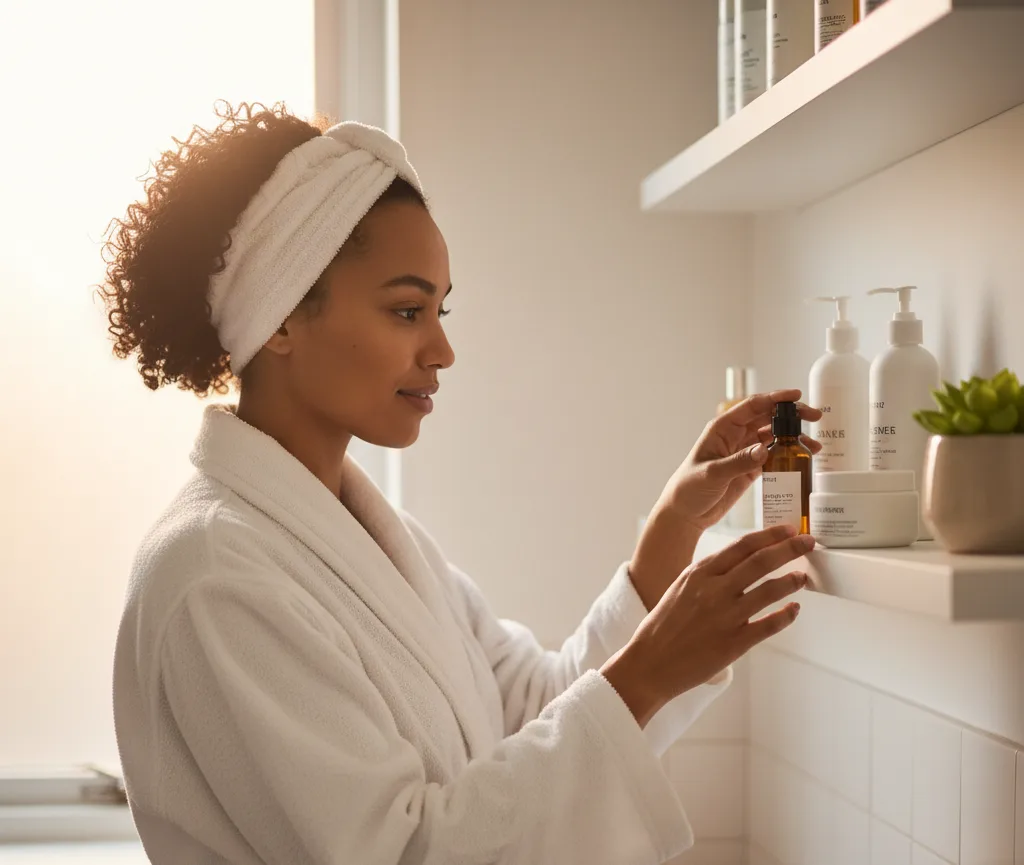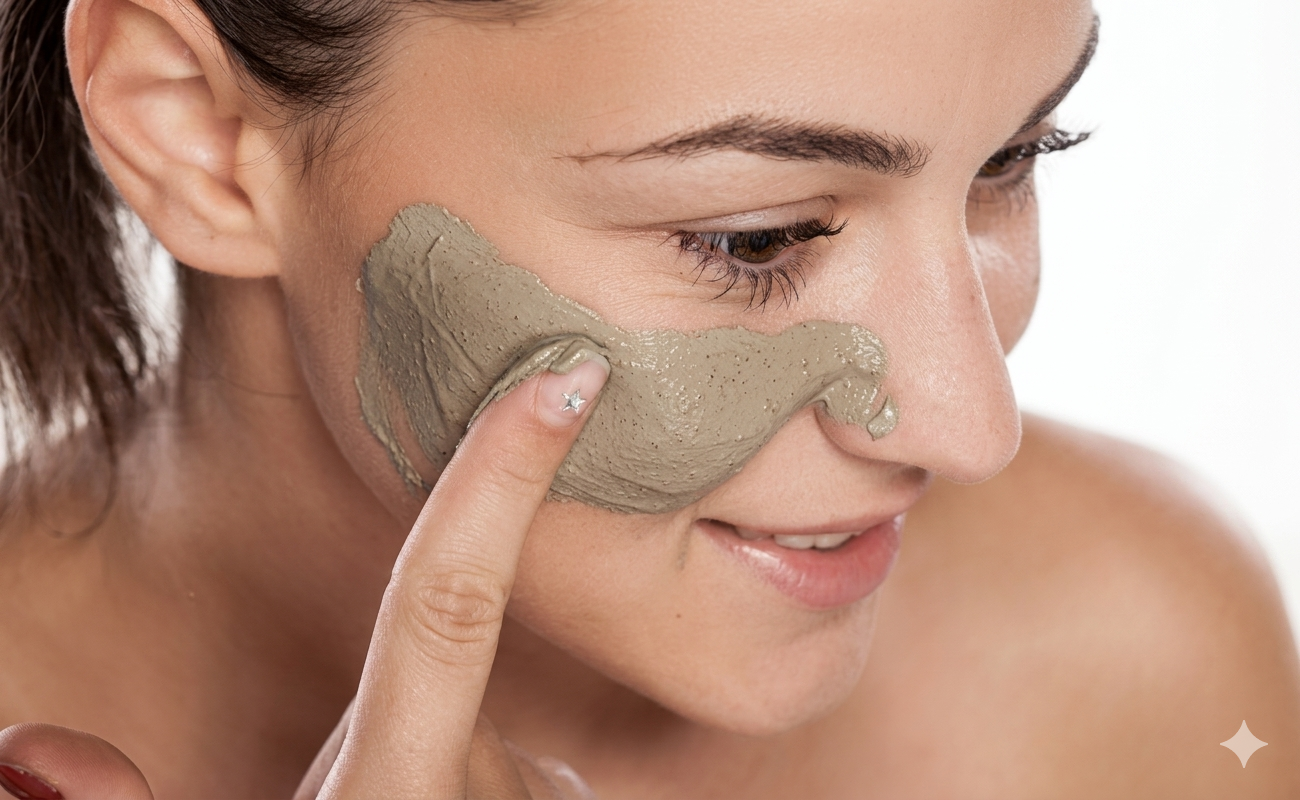
The global skincare industry is worth hundreds of billions of dollars, built partly on the idea that glowing, healthy skin requires an ever-expanding arsenal of specialized products. The expert evidence tells a different story. The most significant improvements in skin health come not from adding the latest serum but from getting the foundational basics consistently right. These 10 evidence-based tips address the lifestyle, nutritional, and skincare habits that research consistently identifies as the most impactful for achieving and maintaining naturally radiant, healthy skin.
Tip 1: Wear Broad-Spectrum Sunscreen Every Single Day
No single skincare habit produces more long-term benefit than daily sunscreen use. UV radiation is responsible for up to 90% of visible skin aging — the wrinkles, dark spots, uneven texture, and loss of firmness that most people attribute to "getting older" are largely the cumulative result of unprotected UV exposure. Apply broad-spectrum SPF 30 or higher every morning, year-round, rain or shine. Indoor workers still need SPF — UVA rays penetrate windows and are present even on heavily overcast days. Sunscreen applied consistently from your 20s produces dramatically healthier skin in your 40s, 50s, and beyond compared to even the most sophisticated skincare routine without SPF.
Tip 2: Cleanse Gently and Appropriately for Your Skin Type
Cleansing is the foundation of your skincare routine — and it is where many people inadvertently cause damage. Over-cleansing with harsh, sulfate-heavy foaming cleansers strips the skin's natural lipid barrier, disrupts the microbiome, and impairs the barrier function that keeps moisture in and irritants out. Choose a gentle, pH-balanced cleanser appropriate for your skin type. Cleanse once in the evening to remove sunscreen, pollutants, and accumulated sebum. In the morning, a simple water rinse or very light cleanse is sufficient for most skin types. After cleansing, your skin should feel comfortable and supple — not tight, dry, or "squeaky clean."
Tip 3: Use a Vitamin C Serum Every Morning
Vitamin C is the most evidence-backed topical antioxidant available. Applied each morning before sunscreen, it neutralizes the free radicals generated by UV and environmental exposure before they damage skin cells. It also inhibits melanin production (fading dark spots), stimulates collagen synthesis (improving firmness and reducing fine lines), and brightens overall skin tone. Look for formulations containing 10–20% L-ascorbic acid or stable derivatives like ascorbyl glucoside for sensitive skin. Consistent daily use for 8–12 weeks produces visibly brighter, more even-toned, better-protected skin.
Tip 4: Prioritize 7–9 Hours of Quality Sleep
Sleep is not a passive state — it is the body's primary repair and regeneration period, and the skin is one of the greatest beneficiaries of quality sleep. During deep sleep, the body releases human growth hormone (HGH) that drives cellular repair, collagen synthesis peaks, damaged DNA is repaired, and immune functions that protect against infection and inflammation are optimized. Chronic sleep deprivation elevates cortisol (accelerating aging and worsening acne), reduces collagen synthesis, impairs barrier function, and produces the dull, sallow complexion most people recognize as the "tired face." Prioritizing consistent, quality sleep is one of the highest-leverage interventions for long-term skin health.
Tip 5: Stay Genuinely Hydrated
Dehydration — even mild dehydration of 1–2% of body weight — visibly affects skin appearance: increased fine line visibility, reduced elasticity, dull complexion, and impaired barrier function. Drink at least 8–10 glasses (2–2.5 liters) of water daily, and increase this in hot weather, during exercise, or when consuming alcohol or caffeine (both of which increase urinary water excretion). Supplement internal hydration with topical application of hyaluronic acid serums (applied to damp skin) and non-occlusive moisturizers that seal in surface moisture. Eating water-rich foods — cucumber, watermelon, celery, leafy greens — provides additional hydration alongside vitamins and antioxidants.
Tip 6: Add Retinol to Your Nighttime Routine
Retinol (vitamin A) is the most clinically validated topical anti-aging ingredient available without a prescription. It stimulates collagen production, accelerates cell turnover (revealing fresh cells and improving texture), normalizes pore-lining cell shedding (preventing comedone formation), and fades hyperpigmentation. Start with a low concentration (0.025–0.05%) applied 2–3 nights weekly, increasing gradually over months. Use sunscreen religiously during the day when using retinol — it increases photosensitivity. The initial adjustment period (4–8 weeks of potential mild dryness and peeling) is temporary and passes with proper introduction. Long-term consistent retinol use produces dramatic and durable improvements in skin texture, tone, and firmness.
Tip 7: Eat a Skin-Nourishing Diet
What you eat is ultimately reflected in your skin's health and appearance. A diet rich in antioxidants, omega-3 fatty acids, vitamins, and minerals provides the building blocks for collagen synthesis, barrier integrity, and cellular repair. Prioritize: colorful fruits and vegetables for antioxidants and vitamins C and E; fatty fish (salmon, mackerel, sardines) for omega-3 fatty acids that reduce systemic inflammation; nuts and seeds for vitamin E, zinc, and linoleic acid; green tea for polyphenol antioxidants that protect against UV-induced damage; and foods rich in vitamin C (bell peppers, citrus, kiwi) to support collagen synthesis. Reduce high-glycemic foods, excess dairy, and ultra-processed foods — all of which drive inflammation and worsen acne and accelerated aging.
Tip 8: Manage Stress Consistently
Chronic psychological stress is one of the most destructive but overlooked contributors to skin problems. Elevated cortisol inhibits collagen synthesis, increases sebum production, disrupts barrier function, promotes systemic inflammation, and triggers or worsens acne, eczema, psoriasis, and rosacea. Incorporating daily stress management practices — even 10 minutes of meditation, a 30-minute walk, yoga, or journaling — produces measurable reductions in cortisol and inflammatory markers within weeks. Managing stress is not a luxury addition to your skincare routine — it is one of the highest-impact interventions available.
Tip 9: Use Niacinamide Daily
Niacinamide (vitamin B3) is the most versatile, well-tolerated, and affordable active ingredient in skincare. At 4–10% concentration used daily, it delivers: reduced pore size, regulated sebum production, faded hyperpigmentation, strengthened skin barrier (through ceramide stimulation), reduced inflammation, and improved skin tone and texture. It is compatible with virtually all other skincare ingredients, suitable for all skin types including sensitive skin, and works both morning and evening. If you add only one active ingredient to your routine, niacinamide delivers the broadest range of benefits for the widest range of skin types.
Tip 10: Exercise Regularly for Skin Health
Regular moderate exercise benefits the skin through multiple synergistic mechanisms. Aerobic exercise increases skin blood flow, delivering oxygen and nutrients to skin cells while removing metabolic waste. Improved circulation gives post-exercise skin its characteristic glow. Exercise reduces baseline cortisol levels, improves insulin sensitivity (reducing IGF-1 and sebum production), supports quality sleep, and significantly reduces systemic inflammation. One fascinating study found that regular moderate exercisers had measurably younger skin at the cellular level compared to sedentary controls of the same age — suggesting that exercise may slow the fundamental biology of skin aging. Aim for 150 minutes of moderate aerobic exercise weekly for comprehensive health and skin benefits.
Conclusion
The most radiant, healthy skin is built on these foundational practices — not on the latest trending ingredient or the most expensive product. Sun protection, gentle cleansing, targeted actives (vitamin C, retinol, niacinamide), quality sleep, proper hydration, a nourishing diet, regular exercise, and consistent stress management create the internal and external environment that allows your skin to be its healthiest, most glowing self. Pick any of these tips to begin with, build consistency, and then add the others one by one. The compound effect over months and years is truly transformative.