Air Pollution and Skin Care: How to Protect Your Skin in Indian Cities
If you spend a lot of time commuting, walking beside busy roads, or travelling through crowded parts of a city, you may notice that your skin doesn't feel quite the same by the end of the day. It may feel oily, dry, rough or simply less comfortable than it did in the morning.
That raises an important question: can air pollution affect your skin?
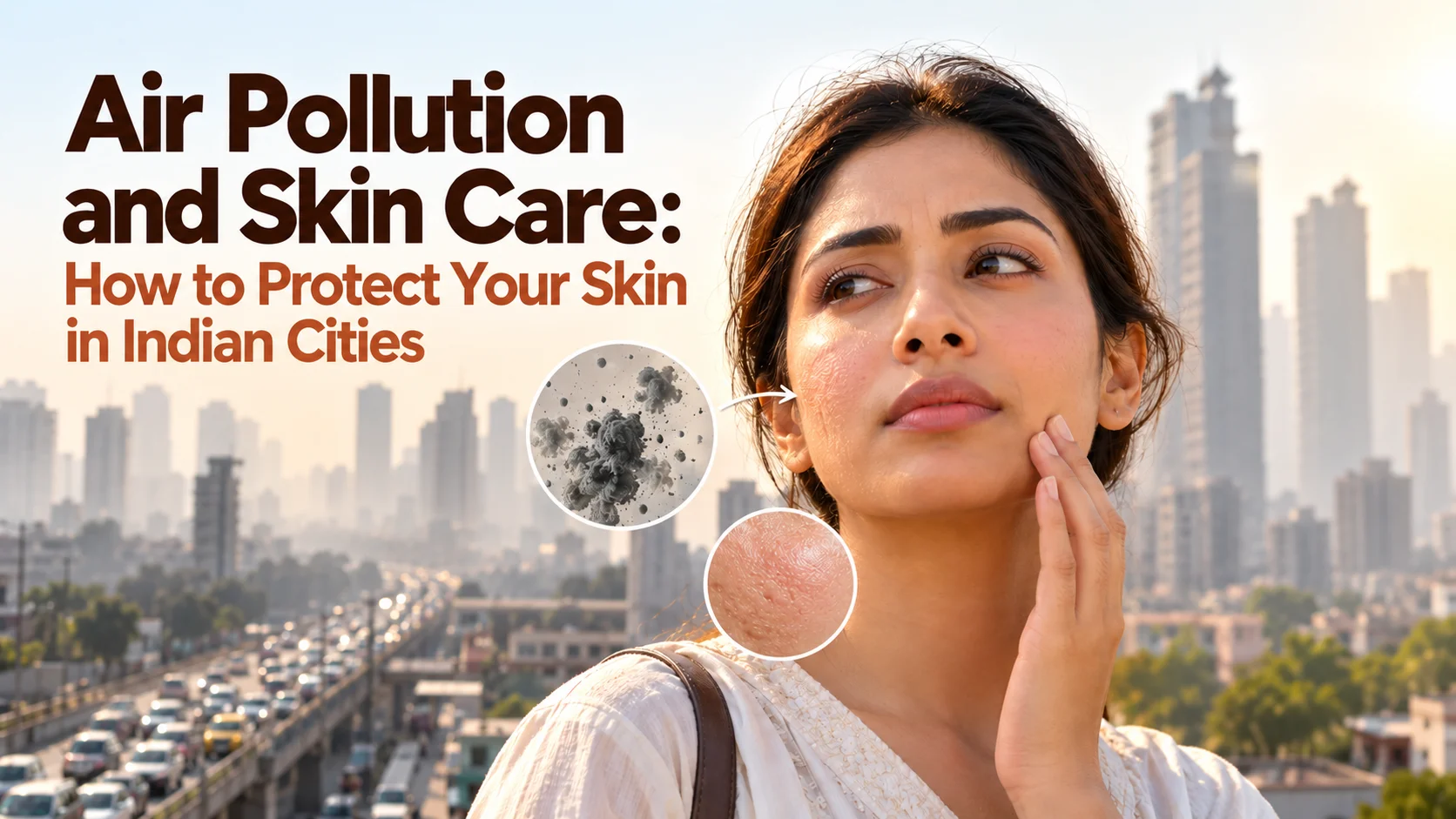
Research suggests that it can. Airborne pollutants, particularly particulate matter, have been linked with oxidative stress, inflammation and changes to the skin barrier. A 2026 systematic review found associations between air pollution and several skin conditions, including acne, dermatitis and signs of skin ageing, although the researchers also noted that the evidence varies in strength and that many studies have limitations. For additional reading, NDTV's guide to protecting skin from air pollution also discusses practical skincare measures.
This doesn't mean every breakout or dry patch is caused by pollution. Skin is complicated, and genetics, hormones, weather, skincare products and lifestyle all matter. But if you live in a busy urban environment, air pollution is one environmental factor worth considering when building your skincare routine.
Why Does Air Pollution Matter for Your Skin?
Your skin is the body's first line of defence against the outside environment. Particulate matter and other pollutants can interact with the skin and may contribute to oxidative stress and inflammatory processes.
Laboratory and clinical research has also suggested that particulate matter can interfere with normal skin-barrier function.
In practical terms, this doesn't mean pollution suddenly "damages" everyone's skin after one day outdoors. The concern is more about repeated exposure over time, particularly for people who spend many hours in polluted urban environments.
A 2024 review also describes possible links between air pollution and inflammatory skin conditions, acne and other skin problems, with oxidative stress, inflammation and barrier changes among the proposed mechanisms.
7 Practical Skin Care Tips for Polluted City Environments
1. Cleanse Gently at the End of the Day
After a long day outside, cleansing can remove sunscreen, sweat, excess oil and surface debris.
But there is no need to scrub your face aggressively because you've been exposed to pollution. Over-washing can irritate the skin, especially if you already have dryness or sensitivity.
Choose a cleanser that leaves your face feeling clean without making it feel tight or squeaky.
For most people, a gentle evening cleanse is more useful than repeatedly washing the face throughout the day.
2. Give Your Skin Enough Moisture
If pollution and weather leave your skin feeling dry or uncomfortable, don't respond by adding several strong treatments at once.
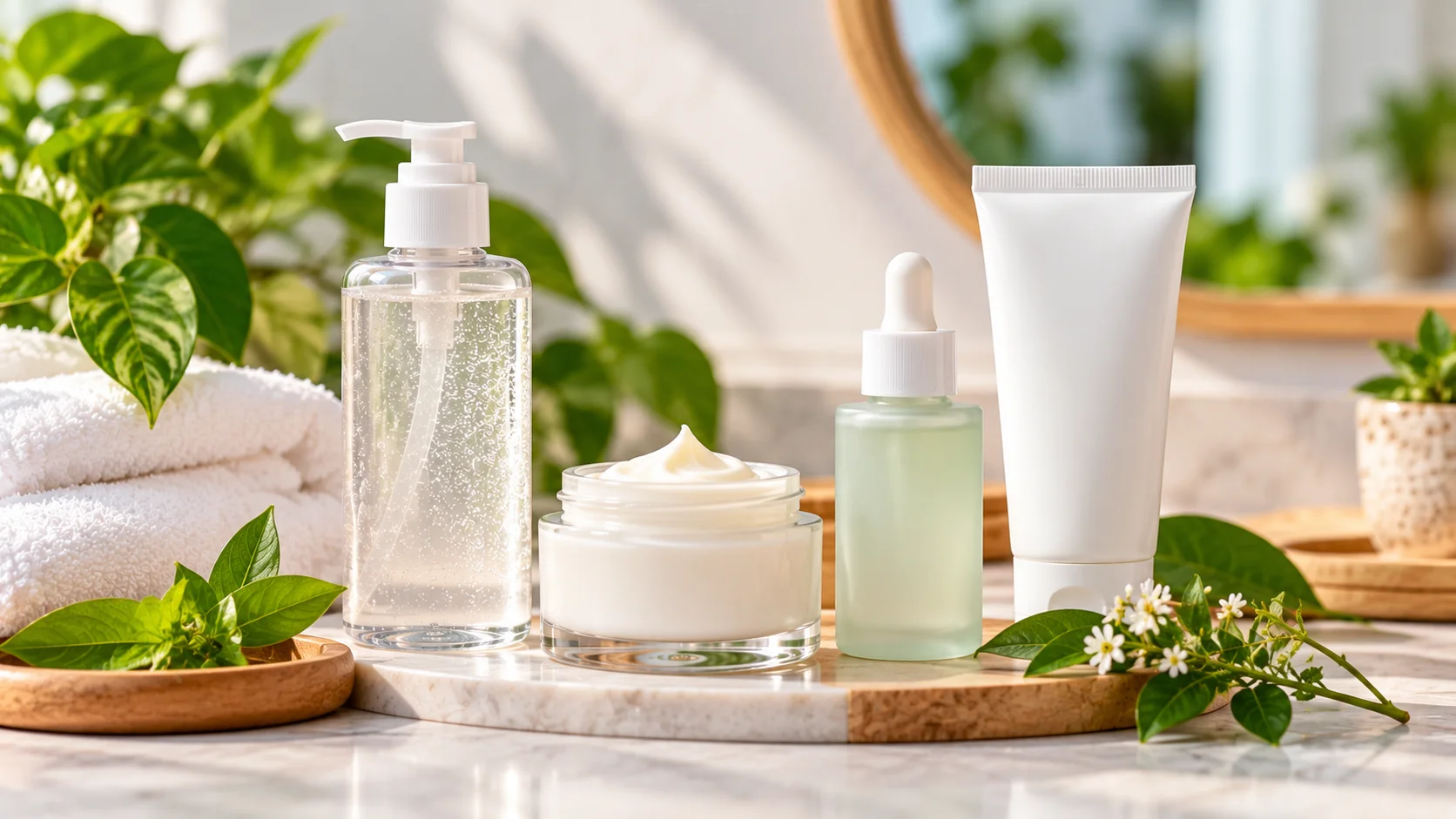
A basic moisturiser can help support normal skin-barrier function and reduce the uncomfortable feeling of dryness.
Your choice should depend on your skin type:
- Oily skin: Try a lightweight lotion or gel.
- Dry skin: Choose a moisturiser with a richer texture if your skin often feels tight or lacks moisture.
- Combination skin: Use a lighter moisturiser overall and add more hydration where needed.
- Sensitive skin: Keep the formula simple and avoid products that consistently sting or burn.
A complicated routine isn't automatically a better routine.
3. Don't Skip Sunscreen
Pollution and sunlight are different environmental exposures, but both deserve attention.
For daily sun protection, the American Academy of Dermatology recommends a broad-spectrum, water-resistant sunscreen with SPF 30 or higher.
Sunscreen is primarily about UV protection; it should not be marketed as a substitute for protecting yourself from air pollution.
If you spend several hours outdoors, also consider practical protection such as shade, sunglasses and clothing that covers exposed skin.
4. Be Careful With Strong Exfoliation
One common mistake is trying to "scrub away" the effects of a polluted day.
Your skin doesn't need harsh physical scrubbing just because you've travelled through traffic.
Exfoliating too often can make the skin feel uncomfortable, especially if it is already dry or sensitive. If you use an exfoliating acid, start slowly and reduce its use if you notice persistent dryness, stinging or redness.
If your skin is already irritated, adding another active ingredient may not be the best next step.
5. Keep Your Hands Away From Your Face
This sounds almost too simple, but it is easy to overlook.
During a commute, your hands touch phones, railings, vehicle handles, desks and other surfaces. Touching your face repeatedly can transfer oils and dirt and may irritate existing blemishes.
You don't need to become obsessed with keeping your hands away from your face. Just make a habit of washing your hands before applying skincare, makeup or touching irritated areas.
6. Clean the Things That Touch Your Skin
Your skincare routine doesn't end with the products sitting on your bathroom shelf.
Pillowcases, towels, makeup brushes and frequently handled phones can accumulate oils and residue. Keeping these items reasonably clean is a simple part of good personal hygiene.
The goal isn't perfection. Consistent, sensible habits are enough.
7. Don't Fall for the "Skin Detox" Trap
When skin looks dull, it's tempting to buy a new "detox" mask or use several active products at once.
You don't need to detox your skin after every polluted commute.
Instead, return to the basics: cleanse gently, moisturise, use sun protection and avoid products that irritate your skin.
If you have persistent acne, severe redness, itching, swelling or a rash that isn't settling, speak with a qualified dermatologist rather than repeatedly changing products at home.
A Simple Pollution-Conscious Routine
You can keep your routine straightforward. For a more detailed step-by-step guide, see the DailySkinTips skincare routine guide.
Morning
Cleanse → Moisturise → Broad-spectrum SPF 30+ sunscreen
If you already use a treatment product that suits your skin, you can include it according to its directions.
Evening
Remove makeup/sunscreen → Gentle cleanser → Moisturiser
That's enough for a basic routine.
You don't need five serums simply because you live in a large city.
What About Anti-Pollution Skincare Products?
The phrase "anti-pollution skincare" sounds impressive, but don't buy a product solely because of those two words.
Look at what the product actually contains and what problem it is designed to address.
If your main concern is dryness, choose a product that supports hydration. If you're dealing with pigmentation or acne, look for ingredients appropriate to that concern rather than assuming an "anti-pollution" label will solve everything.
If you are comparing cleansers, moisturisers, serums or sunscreens, you can also browse the DailySkinTips skincare products and recommendations and choose according to your skin type and concern.
The same principle applies to expensive skincare: price is not a substitute for evidence or suitability.
When Should You See a Dermatologist?
Pollution may contribute to some skin problems, but it isn't a diagnosis.
Consider professional advice if you have:
- Persistent or painful acne
- A rash that keeps returning
- Significant itching or burning
- Swelling
- Severe redness
- Sudden changes in pigmentation
- Skin symptoms that continue despite a simple routine
A dermatologist can help determine whether the problem is related to pollution, acne, eczema, contact irritation, another skin condition, or a combination of factors.
The Bottom Line
Living in a polluted city doesn't mean your skin is destined to become unhealthy.
You can't control everything in your environment, but you can control many of your daily habits. Gentle cleansing, adequate moisturising, sensible sun protection and avoiding unnecessary irritation are a much better foundation than constantly buying new "anti-pollution" products.
Most importantly, don't blame pollution for every change you see in your skin. If a problem persists, getting the right diagnosis is more useful than experimenting with another product.
Good skincare doesn't have to be complicated. It just needs to be consistent, suitable for your skin and based on sensible information.
Looking for more practical skincare guidance? Explore the DailySkinTips skincare e-book library for additional guides and resources to help you build a routine that fits your skin and everyday lifestyle.
Frequently Asked Questions
Can air pollution affect your skin?
Yes. Research suggests that particulate matter and other pollutants can contribute to oxidative stress, inflammation and changes in skin-barrier function. However, the effect varies between people and conditions, and pollution is only one possible factor behind a skin problem.
Does pollution cause acne?
Pollution has been associated with acne in research, but it is not the only cause. Hormones, genetics, skincare products, stress and other factors can also influence acne.
Should I wash my face more often because of pollution?
Not necessarily. A gentle cleanse at the end of the day is generally more sensible than repeatedly washing or scrubbing your face. Over-cleansing can irritate some skin types.
Is sunscreen necessary if I am mainly worried about pollution?
Yes, but for a different reason. Sunscreen protects primarily against UV radiation. Dermatologists generally recommend broad-spectrum SPF 30 or higher and other sun-protection measures when outdoors.
Do I need an expensive anti-pollution skincare product?
No. A simple routine built around cleansing, moisturising and sun protection can be a practical starting point. Choose products according to your skin type and specific concerns rather than marketing claims alone.
Can pollution make sensitive skin feel worse?
It may contribute to irritation in some people, but sensitivity has many possible causes. If your skin frequently burns, itches or becomes inflamed, consider discussing it with a dermatologist rather than repeatedly changing products.