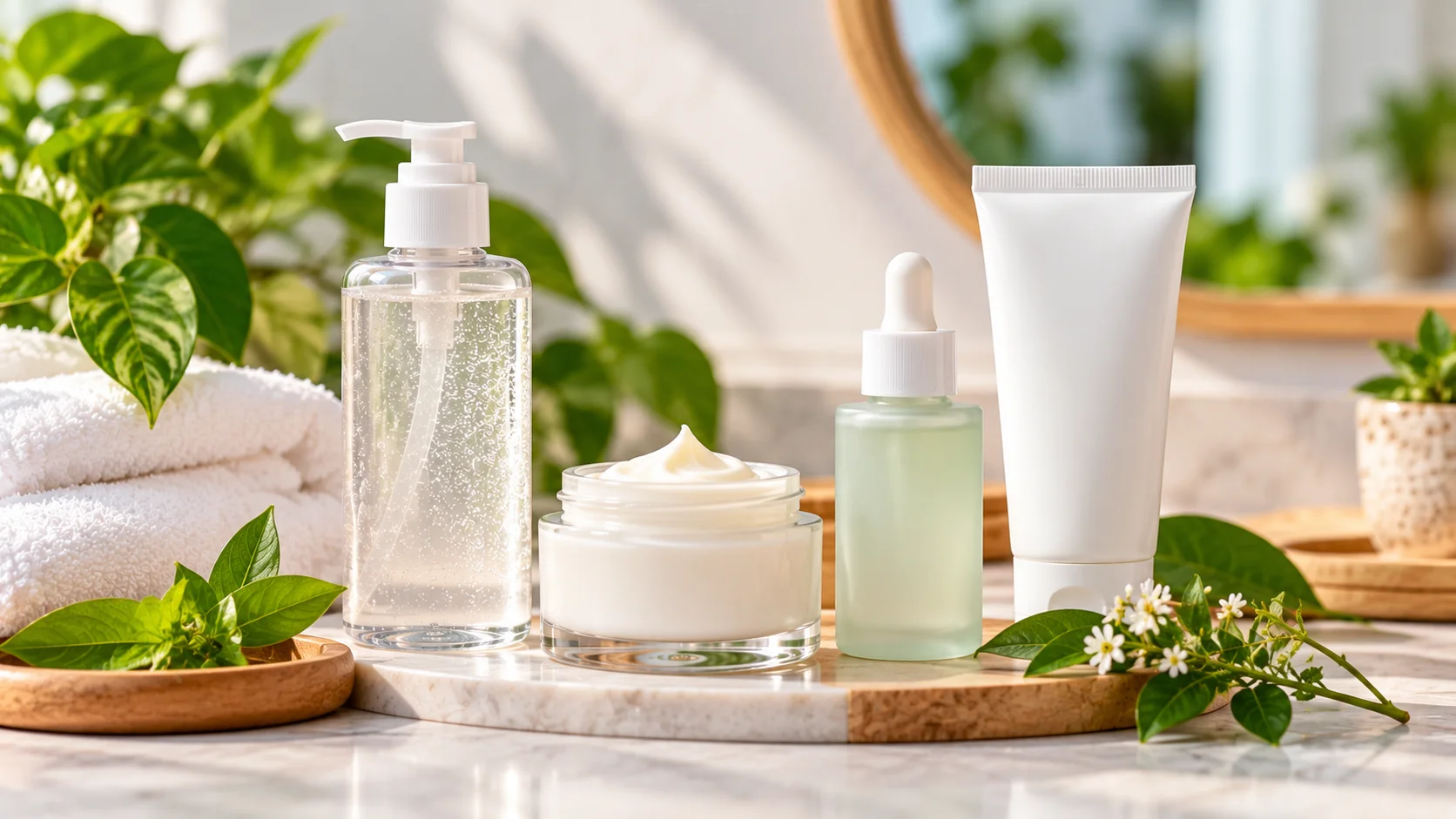
Healthy-looking skin does not always require a long list of products or an expensive beauty routine. In many cases, the basics matter most: cleansing gently, keeping the skin moisturised, protecting it from the sun and choosing products that suit your skin type.
Natural skin care is about taking a thoughtful approach to your skin and the ingredients you use. Some people prefer plant-based oils and botanical extracts, while others focus on simple routines with fewer fragrances and unnecessary products. The important thing is to understand what your skin needs rather than assuming that every natural ingredient will work for everyone.
If you want to know how to take care of your skin naturally, you can start with a few manageable habits at home. This guide covers a practical natural skin care routine, ingredients worth understanding, tips for dry and oily skin, and ways to avoid common skincare mistakes.
What Is Natural Skin Care?
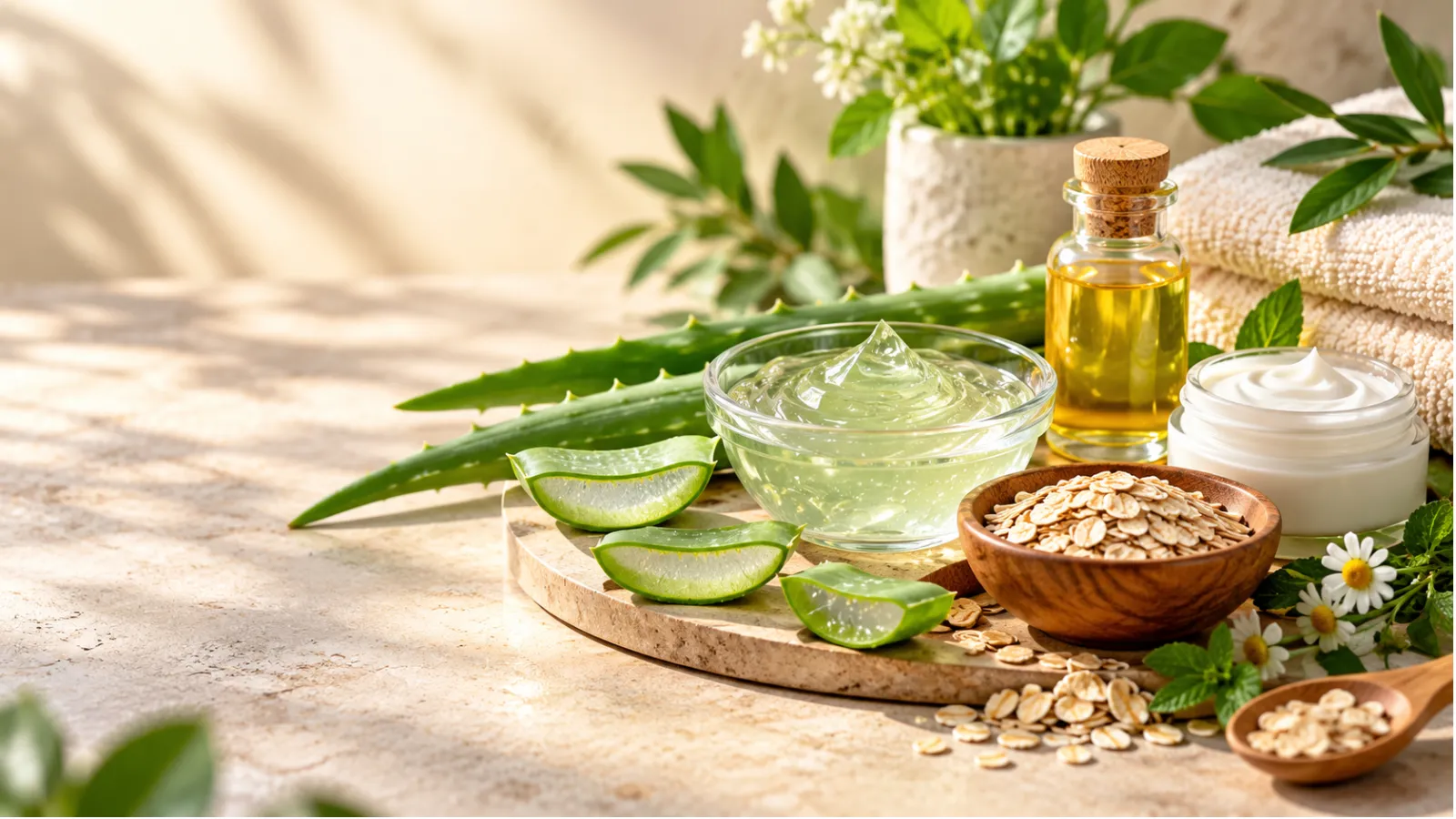
Natural skin care generally refers to caring for the skin with an emphasis on naturally derived ingredients, simple formulations and everyday habits that support the skin's condition. Examples may include aloe vera, colloidal oatmeal, plant-derived oils and moisturisers made with ingredients sourced from nature.
However, the term natural skincare does not have one universal meaning across every product or market. A product may contain natural ingredients alongside synthetic ingredients, preservatives and other components that help maintain its stability.
It is also important to remember that natural does not automatically mean gentle, effective or allergy-free. Some botanical extracts and essential oils can irritate the skin, particularly when they are highly concentrated or used incorrectly.
A sensible approach to natural skin care combines suitable ingredients with basic skin health practices. Rather than trying every homemade remedy you find online, begin with a routine that cleans your skin without stripping it, helps maintain moisture and includes reliable sun protection.
What Is the Best Natural Skin Care Routine?
Your daily skincare plan should reflect your skin’s condition, your daily habits and the climate you live in. A practical way to get started is to create separate routines for daytime and nighttime.
Morning routine
1. Wash your face according to your skin’s needs. If you wake up with excess oil or sweat, use a mild facial cleanser. When your skin tends to be dry or easily irritated, a gentle rinse with lukewarm water may be enough.
2. Keep your skin moisturised. Apply a moisturiser that suits your skin type and leaves it feeling soft and balanced rather than excessively oily.
3. Make sunscreen part of your morning routine. Select a broad-spectrum sunscreen with an SPF of at least 30. Cover all exposed areas and follow the label’s directions for reapplication, especially during outdoor activities or after swimming and sweating.
Evening routine
1. Remove sunscreen and makeup. Clean your face gently so that the day's products and buildup are removed.
2. Moisturise again. Use a suitable lotion, cream or ointment depending on your skin's needs.
3. Avoid unnecessary treatments.Gentle cleansing and moisturising may be sufficient; adding frequent scrubs, masks or several treatment products can make your routine harder to manage.
This routine provides a useful starting point. If you have acne, eczema, rosacea or another diagnosed skin condition, you may need individual advice rather than relying on a general natural skincare routine.
How Can I Get Glowing Skin Naturally?
The phrase “glowing skin” often appears in beauty advice, but healthy skin does not need to look perfectly smooth or shine-free. Skin texture, pores, pigmentation and oil production vary naturally from person to person.
If you want your skin to look fresher and more comfortable, focus on habits that support its normal function.
Stay consistent with moisturising. Skin that lacks moisture may look rough or dull. A suitable moisturiser can improve its feel and appearance.
Wear sunscreen every day. Sun exposure contributes to uneven pigmentation and premature skin ageing. Regular sun protection helps limit further damage.
Get adequate sleep. Poor sleep can make you look tired and may affect how your skin appears. Establish a regular sleep schedule that suits your needs.
Eat a varied, balanced diet. Build your meals around a varied selection of produce, whole grains, sources of protein and foods containing healthy fats. A balanced eating pattern supports general wellbeing without relying on a single so-called skin-enhancing food.
Avoid over-exfoliation. Using abrasive scrubs too often or combining several powerful exfoliating products may weaken the skin’s protective barrier and cause discomfort. Reduce or pause exfoliation if you notice persistent tightness, redness, flaking or stinging.
Give products time. Changing your routine every few days makes it hard to judge whether a product is useful. Make changes gradually and pay attention to your skin's response.
There is no overnight natural skin care remedy that guarantees clear, glowing skin. Consistent care and realistic expectations are more useful than chasing quick fixes.
Which Natural Ingredients Are Good for Skin?
Some naturally derived ingredients can be useful in skincare formulations. Their suitability depends on their concentration, formulation and your individual skin.
Aloe vera
Aloe vera is commonly used in gels and moisturisers. Some people find aloe-based products soothing, but results depend on the formulation, and aloe can still trigger irritation or allergy in some users.
Choose a product intended for topical skin use rather than assuming that raw aloe from a plant will be suitable for everyone.
Colloidal oatmeal
Colloidal oatmeal is finely ground oatmeal used in certain moisturising products. It can help soothe dry, itchy skin and support skin comfort.
A formulated product is generally more predictable than mixing kitchen ingredients at home. If you have a known oat allergy or experience a reaction, avoid the product and seek suitable advice.
Glycerin
Glycerin is a humectant, meaning it helps attract and retain water in the outer layer of skin. It is found in many moisturisers and can be useful for different skin types.
Although glycerin may be plant-derived, the ingredient's source is less important than the overall formulation and whether the product suits your skin.
Plant oils
Certain oils, including sunflower seed oil, can help soften skin and reduce moisture loss in appropriate formulations. However, oils vary in composition and texture, and a product that feels comfortable on dry skin may feel too heavy for someone with oily or acne-prone skin.
Use a formulated skincare product when possible, particularly if you have sensitive skin.
Shea butter
Shea butter is a plant-derived emollient used in creams and body moisturisers. Its richer texture can be helpful for dry areas, such as elbows, hands and legs.
It may feel too heavy for some faces, so start with a small amount on a suitable area rather than applying a thick layer everywhere.
No single ingredient is best for everyone. A product's complete formula, fragrance, preservatives and your skin's tolerance all matter.
How Do I Make a Simple Natural Skin Care Routine at Home?
You can establish a routine at home without preparing complicated mixtures from food ingredients.
Start by choosing a gentle cleanser, a suitable moisturiser and sunscreen. Keep the products together so you can use them consistently in the morning and evening.
A safer home approach is to use simple habits: wash with lukewarm water, moisturise after cleansing, avoid picking at blemishes and use sun protection.
You can also keep a short skincare diary. Note which products you use, how your skin feels and whether you notice dryness, itching or breakouts. This can help you recognise patterns without repeatedly changing your routine.
For sensitive or allergy-prone skin, choose commercially formulated products with clear ingredient lists rather than experimenting with multiple homemade recipes.
Natural Skin Care for Dry Skin
Dry skin often feels tight, rough or flaky, especially after bathing or exposure to dry weather. The goal is to reduce moisture loss and avoid products that strip the skin.
- Choose a gentle, fragrance-free cleanser.
- Apply a cream-based moisturiser after washing while the skin is still slightly damp.
- Avoid very hot showers and frequent harsh exfoliation.
- Use gloves or suitable protective clothing when household tasks expose your skin to irritants.
- Reapply moisturiser when your skin feels dry.
For very dry areas, a thicker cream or ointment may be more helpful than a lightweight lotion. If dryness becomes painful, cracked, swollen or persistent, consult a healthcare professional rather than relying only on homemade remedies.
Natural Skin Care for Oily Skin
Oily skin produces more sebum, the natural oil that helps protect the skin. The goal is not to remove every trace of oil, but to keep the skin clean and comfortable without causing irritation.
A non-comedogenic skincare product is designed to have a lower likelihood of contributing to blocked pores. If you are prone to blemishes, this label may help when comparing moisturisers and other facial products, although it cannot guarantee that a product will suit everyone.
Avoid using lemon juice, rough scrubs or strong essential oils as a way to control oil production. These approaches may irritate your skin without addressing the underlying cause of acne or excessive oiliness.
If you have persistent acne, painful spots or scarring, a dermatologist can help you identify suitable treatments.
Natural Skin Care for Sensitive Skin
Sensitive skin may sting, burn, itch or become irritated after using certain products. Reactions can be caused by fragrances, preservatives, botanical extracts and other ingredients, including those marketed as natural.
Choose simple, fragrance-free products and introduce one new item at a time. Avoid assuming that “organic,” “herbal” or “chemical-free” labels mean a product is automatically suitable for sensitive skin.
Before adding a new skincare product, the American Academy of Dermatology recommends testing it on a small area twice daily for seven to ten days. Stop using it if you develop redness, itching or swelling. Read its guide to testing skincare products for more details.
If a reaction is severe, persistent or spreading, seek medical advice. A dermatologist may help identify the ingredient responsible.
Is Natural Skincare Better Than Conventional Skincare?
Not necessarily. Natural and conventional skincare products can both be useful, and either type can cause irritation in some people.
Natural products may appeal to people who prefer certain plant-derived ingredients. Conventional formulations may offer carefully developed moisturisers, cleansers and treatments with tested ingredients and stable formulations.
The label alone does not tell you whether a product is effective. Consider its ingredient list, intended use, formulation, evidence supporting its claims and how your skin responds.
Be especially cautious with claims that a product can erase scars, cure acne or reverse ageing simply because it is natural. Cosmetic products cannot guarantee these results, and some skin conditions require medical treatment.
A good skincare choice is one that meets your needs, is affordable enough to use consistently and does not cause unwanted reactions.
Can Natural Skincare Products Cause Allergies?
Yes. Plant extracts, essential oils, fragrances and other ingredients can trigger irritation or allergic contact dermatitis. Symptoms may include itching, swelling, redness, dryness or a rash.
Introduce new products individually and follow the manufacturer's directions. Patch testing can help identify potential reactions, although it cannot guarantee that a product will never cause a problem.
If a product causes burning, itching or swelling, stop using it and gently wash it off. Seek medical advice if the reaction is severe, persists or affects a large area.
Do not apply undiluted essential oils or strong homemade mixtures to your face. If you have a history of allergies, eczema or recurring reactions, ask a dermatologist for advice on choosing suitable products.
Build a Natural Skin Care Routine That Works for You
You can build a practical skincare routine without filling your shelf with numerous products. Consistent cleansing, appropriate moisturising and regular sun protection are useful foundations for caring for your skin.
If you are dealing with persistent acne, eczema, unexplained rashes or ongoing irritation, seek advice from a qualified healthcare professional. Natural skin care can support everyday habits, but it is not a substitute for treatment when a medical condition needs attention.
At DailySkinTips.in, the aim is to help readers make informed choices rather than follow every passing beauty trend. Begin with a simple routine, pay attention to how your skin responds and keep the products that genuinely work for you.
Frequently Asked Questions About Natural Skin Care
1. What is natural skin care?
Natural skin care focuses on simple skincare habits and products that may contain naturally derived ingredients. A useful routine includes gentle cleansing, moisturising and sun protection. Natural ingredients are not automatically safer or more effective than other ingredients.
2. How can I take care of my skin naturally?
Wash your face gently, apply a suitable moisturiser, use broad-spectrum sunscreen with SPF 30 or higher, and avoid harsh scrubs. Choose products that suit your skin type and introduce new ingredients gradually.
3. How can I get glowing skin naturally?
Focus on regular moisturising, sun protection, adequate sleep and a balanced diet. Avoid aggressive exfoliation and unrealistic quick-fix remedies. Healthy skin has natural texture, and results vary between individuals.
4. Which natural ingredients are good for skin?
Ingredients such as aloe vera, colloidal oatmeal, glycerin-containing moisturisers, suitable plant oils and shea butter may help with hydration or skin comfort. Their suitability depends on the formulation and your individual skin.
5. How do I make a simple natural skin care routine at home?
Start with a gentle cleanser, a suitable moisturiser and sunscreen. Use the products consistently and avoid mixing several homemade ingredients. Test new products before applying them regularly.
6. What are the best natural ingredients for dry skin?
Moisturisers containing suitable emollients, glycerin, colloidal oatmeal or shea butter may help dry skin feel more comfortable. A fragrance-free cream or ointment may be more useful than a lightweight product for very dry areas.
7. How can I care for sensitive skin naturally?
Use simple, fragrance-free products, avoid harsh scrubs and introduce one new product at a time. Test products on a small area before regular use. Seek professional advice for persistent or severe reactions.
8. What is the difference between natural and organic skincare?
Natural skincare generally refers to products containing naturally derived ingredients. Organic skincare refers to ingredients produced under specific agricultural or certification standards. The exact definitions vary, so check the ingredient list and certification details.