Pigmentation on Face? Complete Guide to Fade Dark Spots Permanently
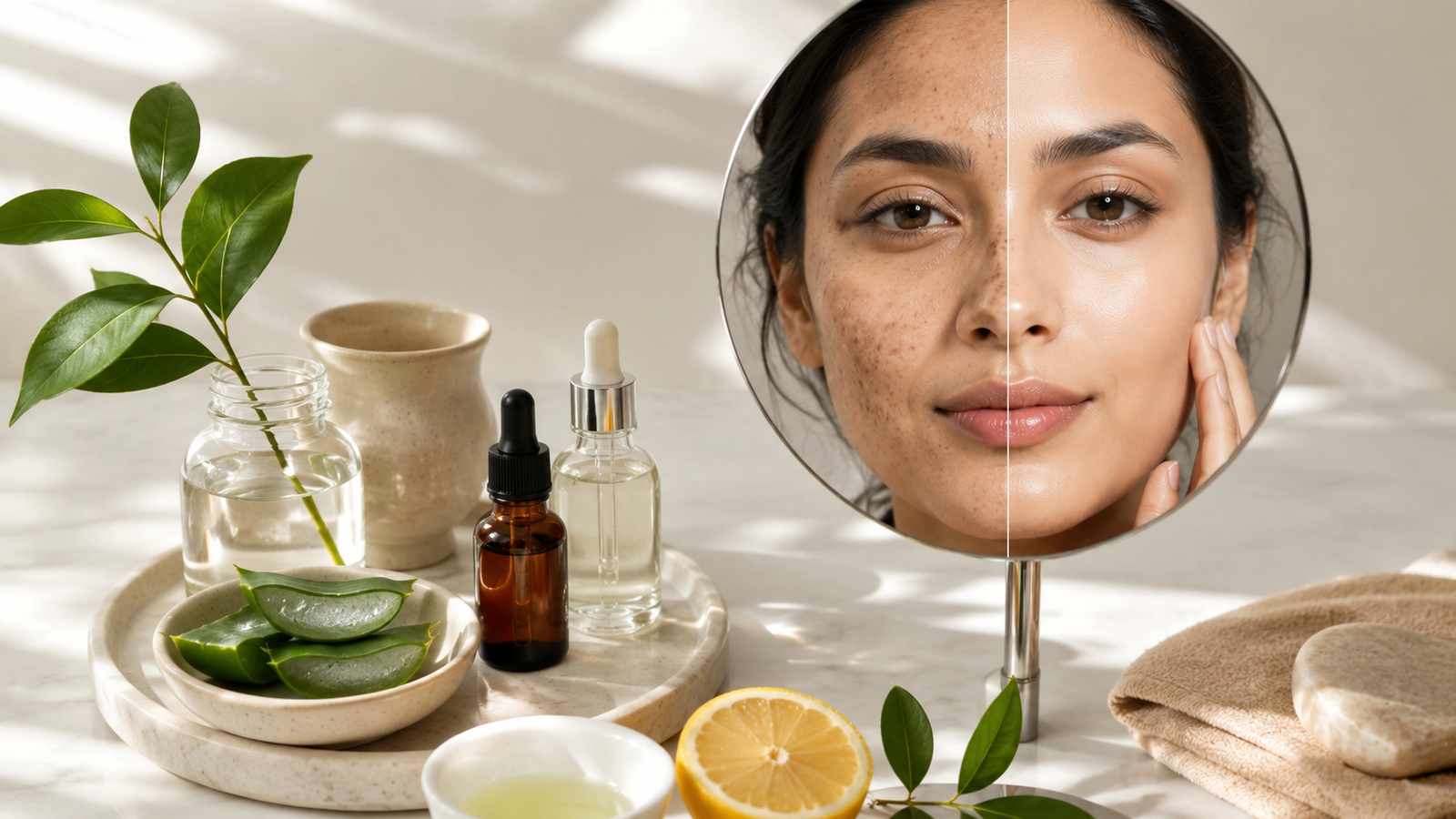
Pigmentation on the face is one of the most common skin concerns affecting both men and women. Whether it appears as dark spots, melasma, acne marks, or uneven skin tone, facial pigmentation can impact confidence and make your skin look older than it actually is.
The good news is that pigmentation on the face can often be significantly reduced—and in many cases nearly eliminated—with the right skincare routine, sun protection, and professional treatments. Understanding what causes pigmentation and choosing the appropriate treatment are the first steps toward achieving a brighter, more even complexion.
In this complete guide, you'll learn what causes pigmentation on the face, the different types of pigmentation, effective home remedies, dermatologist-recommended treatments, and practical prevention tips to help keep your skin clear and radiant.
Want more skincare advice? Visit our Daily Skin Tips for expert beauty and skincare articles.
What is Pigmentation on Face?
Pigmentation refers to the coloring of your skin, which is determined by melanin, a natural pigment produced by specialized skin cells called melanocytes. When these cells produce excess melanin, dark patches or spots appear on the skin.
Common Types of Facial Pigmentation
- Melasma
- Sunspots
- Age Spots
- Post-inflammatory Hyperpigmentation (PIH)
- Acne Scars
- Freckles
The color can range from light brown to dark brown or gray, depending on your skin tone and the underlying cause.
What Causes Pigmentation on Face?
1. Sun Exposure
Ultraviolet (UV) rays are one of the biggest causes of pigmentation. Excessive sunlight stimulates melanin production, leading to dark spots and uneven skin tone.
2. Hormonal Changes
Hormonal fluctuations during pregnancy, menopause, or while taking birth control pills can trigger melasma, which often appears as symmetrical brown patches on the cheeks, forehead, and upper lip.
3. Acne and Skin Inflammation
After acne, eczema, or skin irritation heals, the skin may produce excess melanin, resulting in post-inflammatory hyperpigmentation (PIH).
4. Aging
As skin ages, prolonged sun exposure accumulates over time, leading to age spots or liver spots.
5. Genetics
Some individuals naturally have a higher tendency to develop pigmentation due to inherited traits.
6. Certain Medications
Some medications increase sensitivity to sunlight, making pigmentation more likely.
Types of Face Pigmentation
Melasma
Melasma causes large brown or gray patches and is most common among women.
Sunspots
Also called solar lentigines, these develop due to long-term UV exposure.
Post-Inflammatory Hyperpigmentation
Occurs after acne, burns, or skin injuries heal.
Freckles
Small pigmented spots that often become darker after sun exposure.
Symptoms of Pigmentation
- Brown patches
- Black spots
- Uneven skin tone
- Acne marks
- Dark patches on cheeks
- Forehead pigmentation
- Pigmentation around the mouth
Most pigmentation is harmless but can be cosmetically bothersome.
Best Treatments for Pigmentation on Face
Treating pigmentation requires patience and consistency. Results usually take several weeks to become noticeable.
1. Vitamin C Serum
- Brightens skin
- Reduces dark spots
- Protects against sun damage
- Boosts collagen production
Use it every morning before applying sunscreen.
2. Niacinamide
- Reduce pigmentation
- Strengthen the skin barrier
- Minimize redness
- Improve uneven skin tone
It works well for almost every skin type.
3. Retinol
Retinol speeds up skin cell turnover, gradually fading pigmentation and improving skin texture. Always use retinol at night and wear sunscreen during the day.
4. Chemical Peels
Dermatologists use glycolic acid, lactic acid, or salicylic acid peels to remove damaged skin layers and reveal brighter skin.
5. Laser Treatment
Laser pigmentation treatment targets excess melanin using concentrated light energy.
- Faster results
- Minimal downtime
- Effective for stubborn pigmentation
6. Microneedling
Microneedling stimulates collagen production while reducing acne pigmentation and uneven skin texture.
7. Prescription Creams
- Hydroquinone
- Azelaic Acid
- Kojic Acid
- Tretinoin
These should only be used under professional supervision.
Best Home Remedies for Pigmentation
While home remedies won't remove deep pigmentation overnight, they may support brighter-looking skin over time.
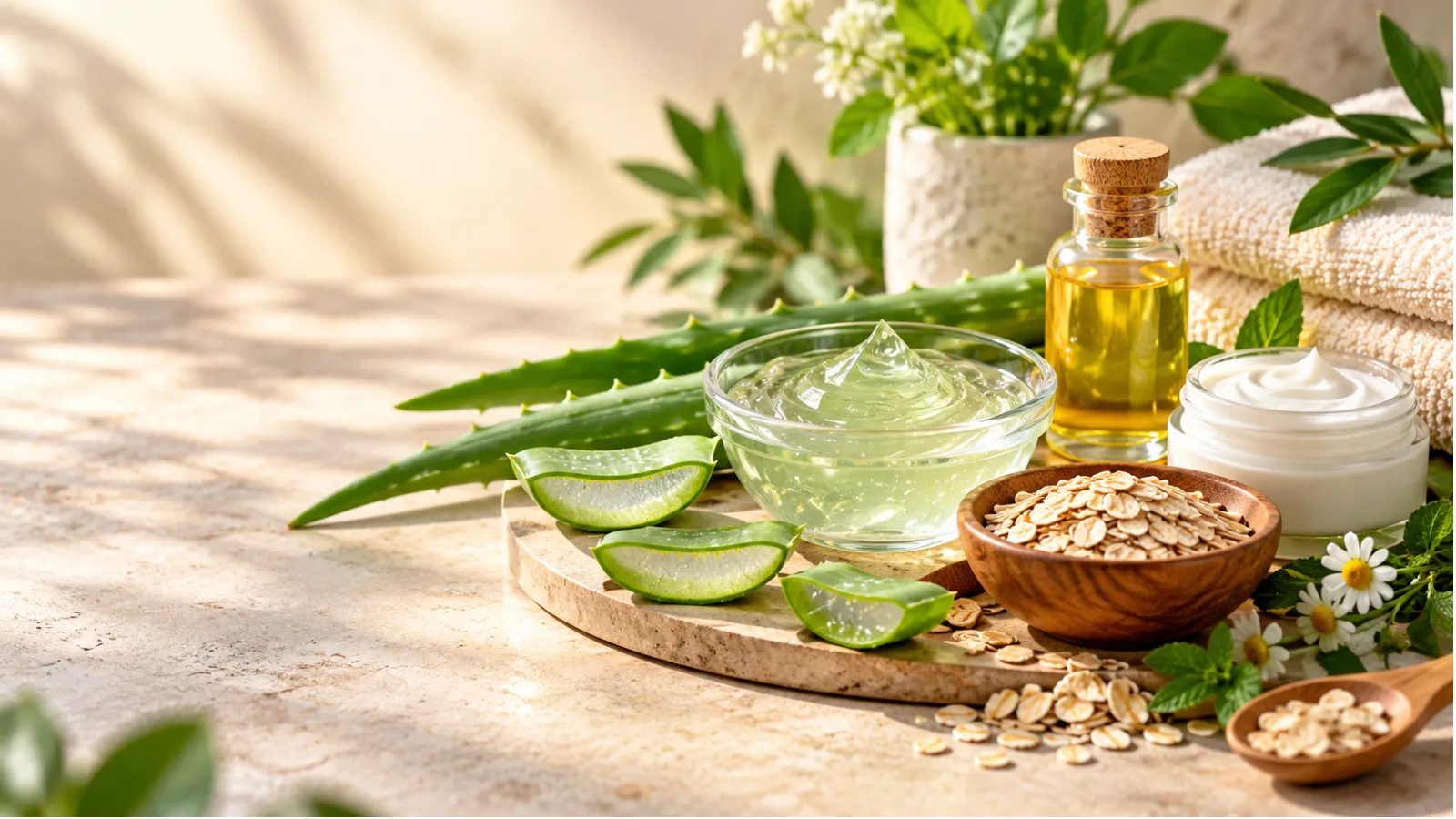
- Aloe Vera – Contains aloin, which may help reduce mild pigmentation.
- Green Tea – Rich in antioxidants that support healthy skin.
- Yogurt – Contains lactic acid that gently exfoliates the skin.
- Turmeric – Known for its anti-inflammatory and brightening properties.
- Honey – Helps moisturize and soothe the skin while promoting a healthy glow.
Always do a patch test before applying any home remedy to your face.
Daily Skincare Routine for Pigmentation
Morning Routine
- Gentle Cleanser
- Vitamin C Serum
- Niacinamide Serum
- Moisturizer
- Broad-Spectrum SPF 50 Sunscreen
Night Routine
- Cleanser
- Retinol (2–3 Nights Per Week)
- Moisturizer
Consistency is key. Daily sun protection is one of the most effective ways to prevent pigmentation from worsening.
Read more skincare routines on DailySkinTips.in.
How to Prevent Pigmentation
- Wear SPF 30–50 sunscreen every day.
- Reapply sunscreen every two hours outdoors.
- Avoid excessive sun exposure.
- Wear hats and sunglasses.
- Do not pick acne or skin blemishes.
- Follow a consistent skincare routine.
- Eat antioxidant-rich foods.
- Stay hydrated.
When Should You See a Dermatologist?
- Pigmentation changes rapidly.
- Dark spots become painful or bleed.
- Home treatments show no improvement after several months.
- Pigmentation covers large areas of the face.
- You suspect an underlying medical condition.
A professional can diagnose the exact cause and recommend the most appropriate treatment. For more information about skin pigmentation, visit the American Academy of Dermatology.
Frequently Asked Questions
Can pigmentation on the face be removed permanently?
Some types of pigmentation can fade significantly or clear with proper treatment, but recurrence is possible, especially if sun protection is neglected or hormonal triggers persist.
Which vitamin is good for pigmentation?
Vitamin C is widely used to brighten skin and reduce the appearance of dark spots. Niacinamide (Vitamin B3) is also popular for improving uneven skin tone.
What is the fastest treatment for pigmentation?
Professional treatments such as laser therapy or chemical peels may produce faster results than topical products, depending on the type and depth of pigmentation.
Does sunscreen help pigmentation?
Yes. Daily use of a broad-spectrum sunscreen is one of the most important steps to prevent pigmentation from becoming darker and to support treatment results.
How long does pigmentation take to fade?
Mild pigmentation may improve within a few weeks, while deeper pigmentation can take several months of consistent treatment.